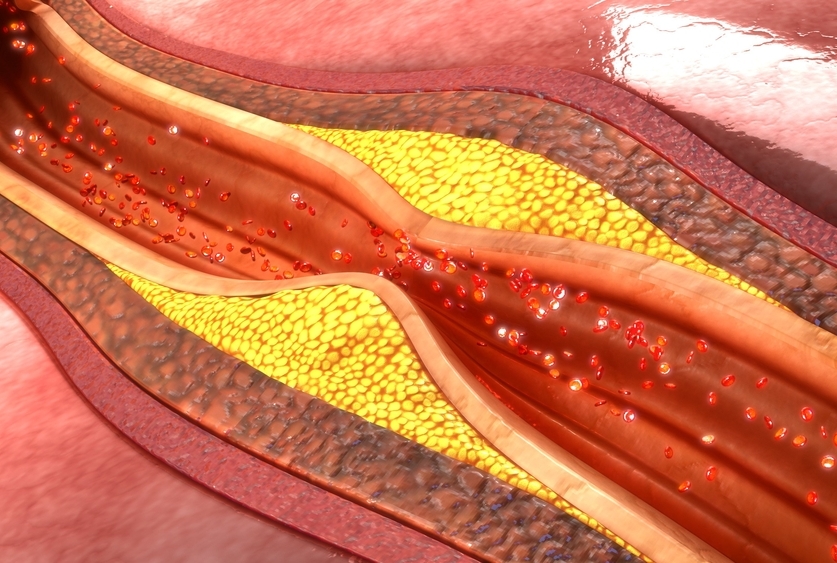
The risk of dying seven years after coronary artery bypass surgery was significantly lower in men receiving multiple bypass grafts rather than single grafts, but there was no apparent difference in mortality between these methods in women.
A Cornell-led COVID-19 patient registry, organized by Weill Cornell Medicine physicians and scientists in response to surging cases earlier this year in New York City, continues to be a source of medical insight into the workings of the novel coronavirus and treatment of infected patients.
A gene therapy developed by Weill Cornell Medicine and NewYork-Presbyterian investigators helped slow progression of a rare and fatal genetic disorder in children called late infantile Batten disease, in a phase 1 clinical study.
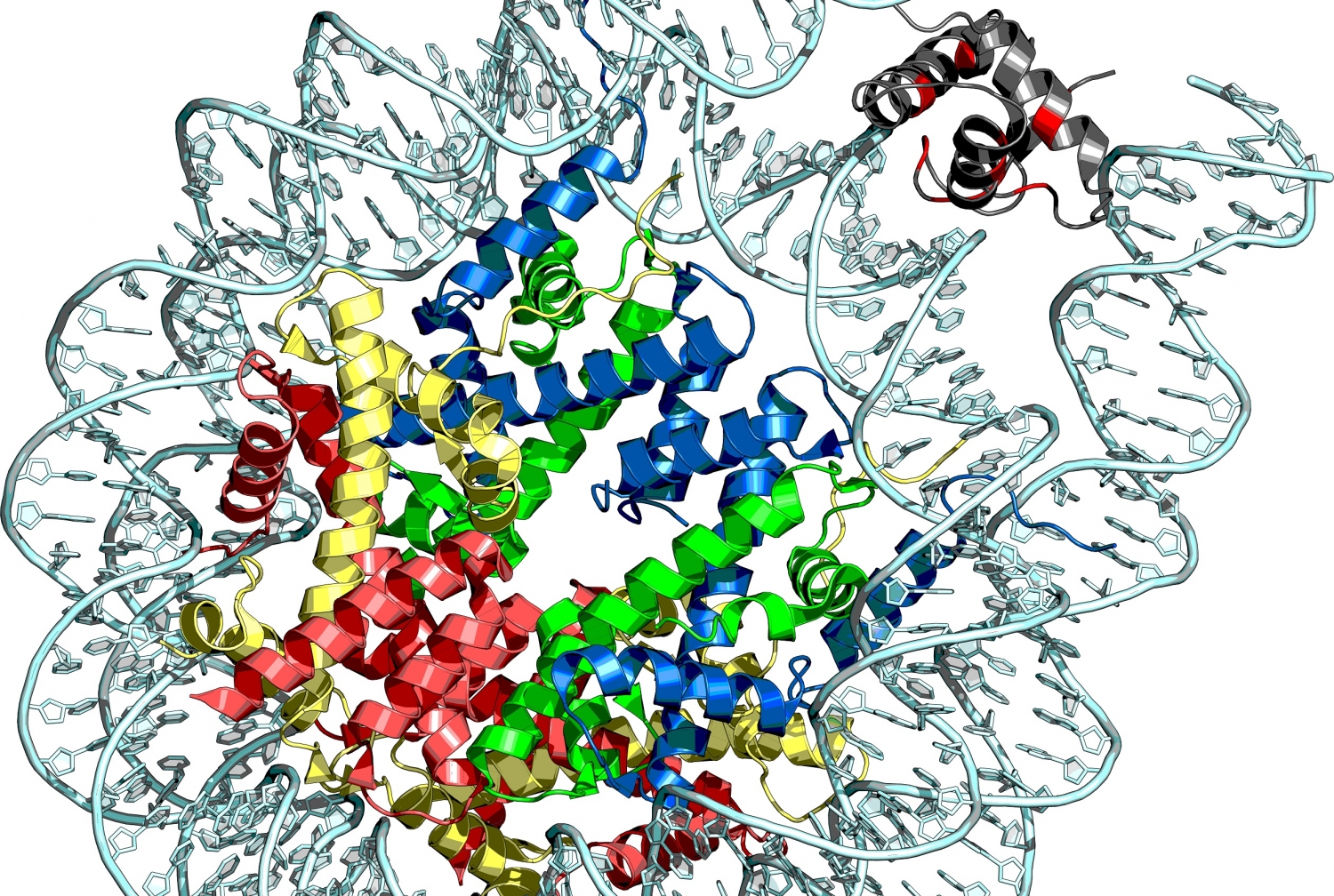
Mutations in proteins called histone H1, which help package DNA in chromosomes, are a frequent cause of lymphomas, according to a study led by researchers at Weill Cornell Medicine, NewYork-Presbyterian and The Rockefeller University. The findings could lead to new approaches to treating these cancers.
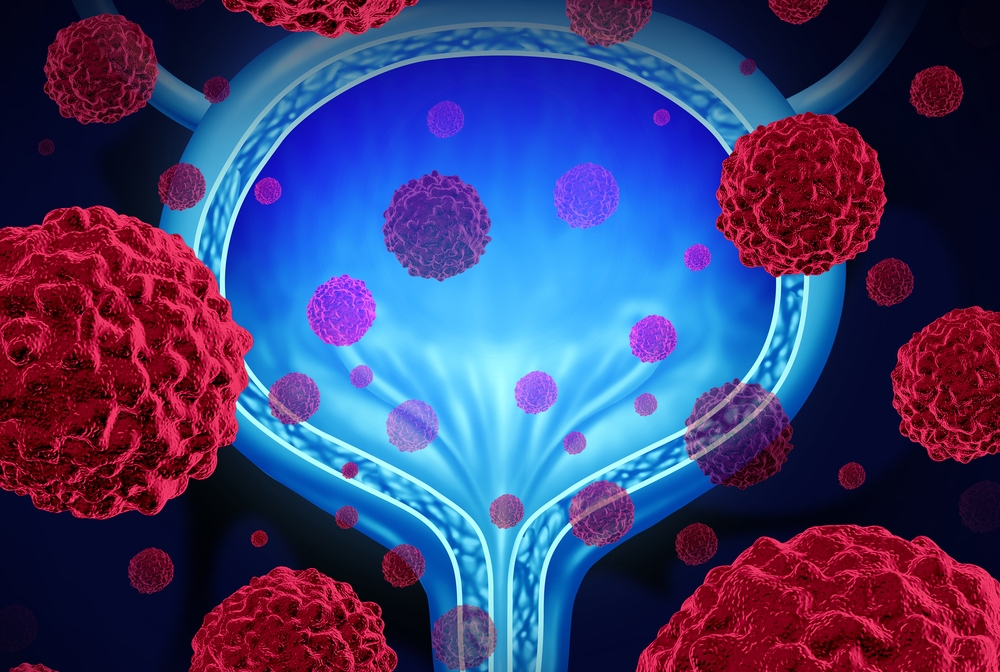
A significant percentage of patients with urothelial cancers have inherited gene variants that drive the progression of these cancers, according to a study from researchers at Weill Cornell Medicine and NewYork-Presbyterian.
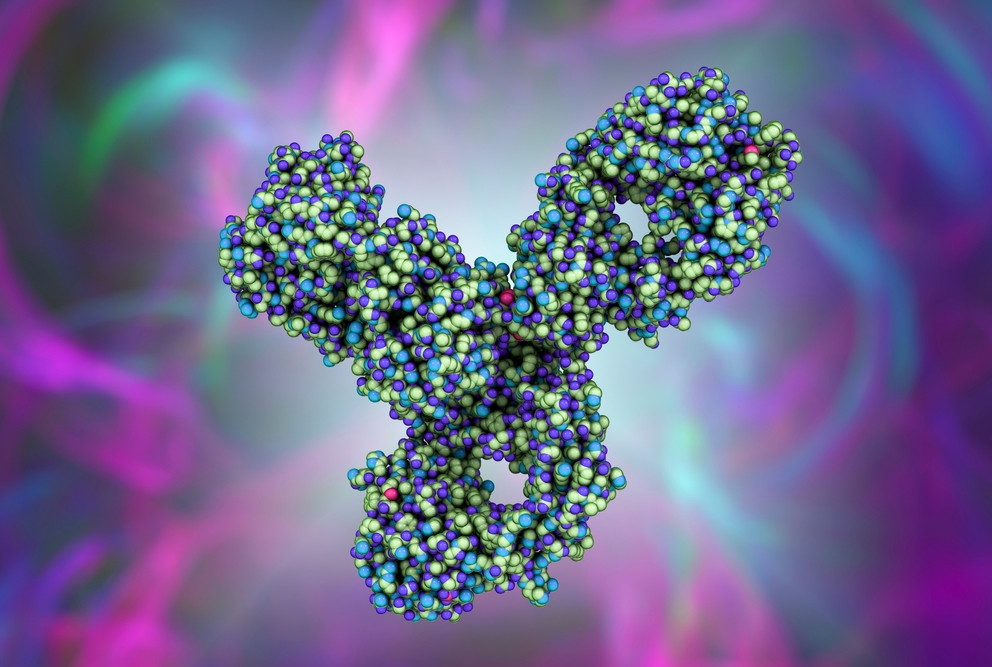
The immunotherapy drug pembrolizumab, known by its brand name Keytruda, is a safe and effective option for patients with locally advanced and metastatic squamous cell esophageal cancer who have already received standard chemotherapy, according to a new study co-authored by a Weill Cornell Medicine and NewYork-Presbyterian investigator.
Space travel, illnesses like COVID-19, and climbing Mount Everest can trigger the body’s stress response systems in similar ways, according to new studies by Weill Cornell Medicine, space agencies and many other investigators.
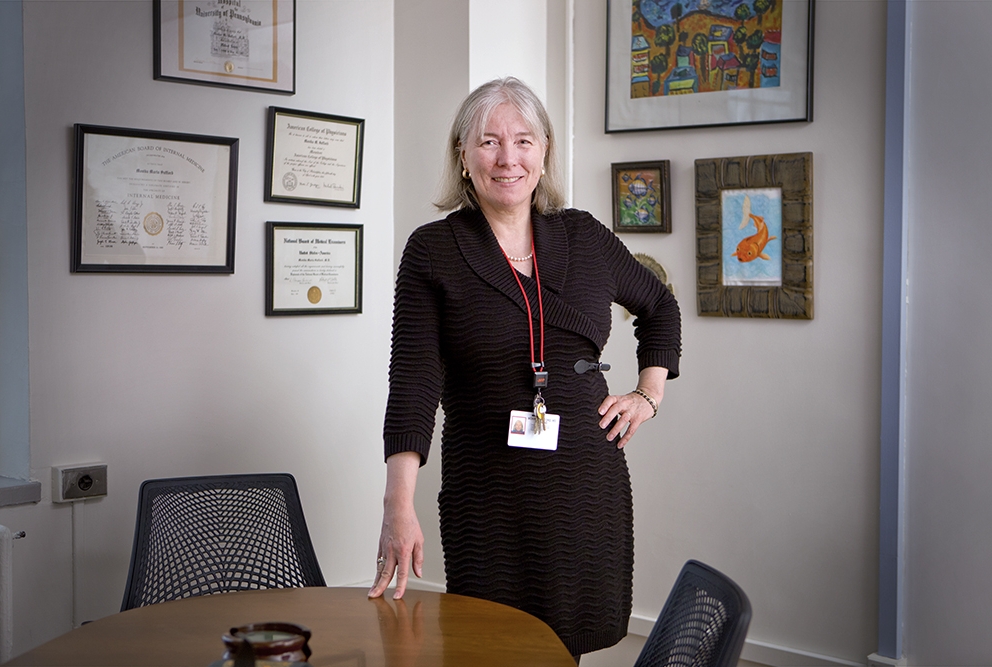
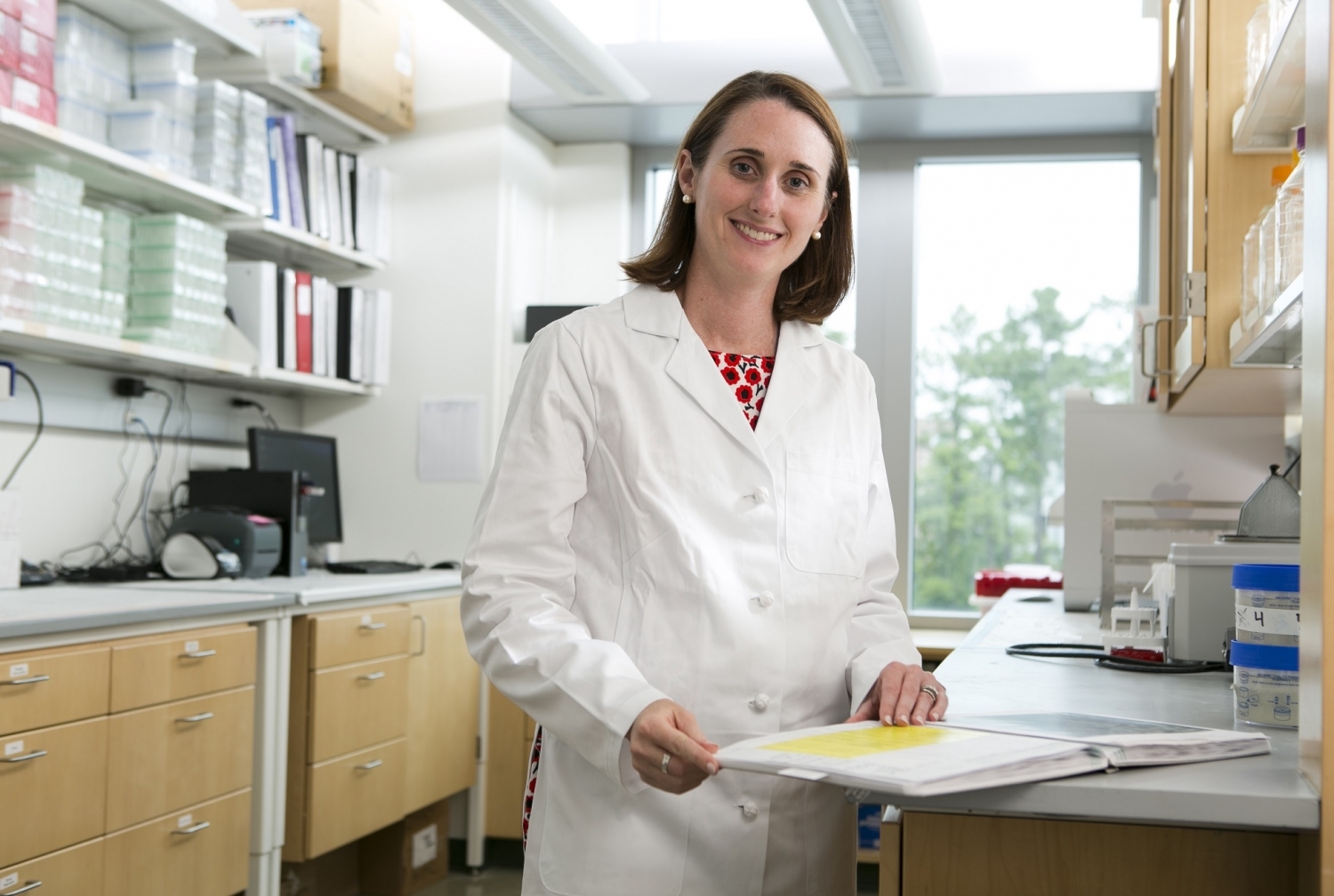
Dr. Sallie Permar, the newly appointed chair of the Department of Pediatrics at Weill Cornell Medicine and pediatrician-in-chief at NewYork-Presbyterian/Weill Cornell Medical Center and NewYork-Presbyterian Komansky Children’s Hospital, has been elected a fellow of the American Association for the Advancement of Science (AAAS).
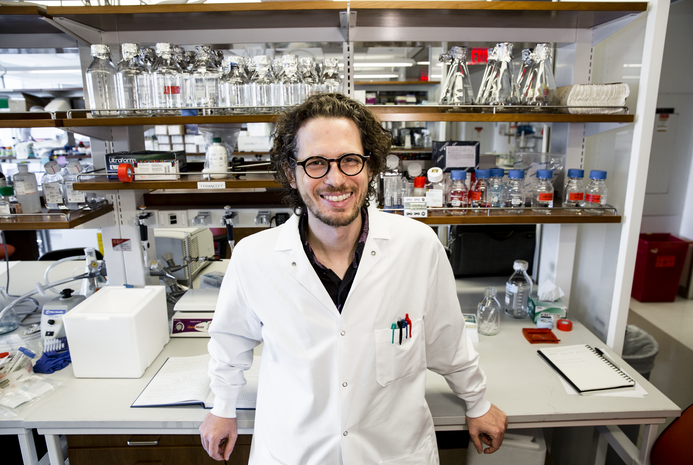
Dr. Dan Landau, an associate professor of medicine and a member of the Sandra and Edward Meyer Cancer Center at Weill Cornell Medicine, has been awarded a four-year, $600,000 Distinguished Scientist grant by the Sontag Foundation to study the diversity of cell types within brain cancers called gliomas.
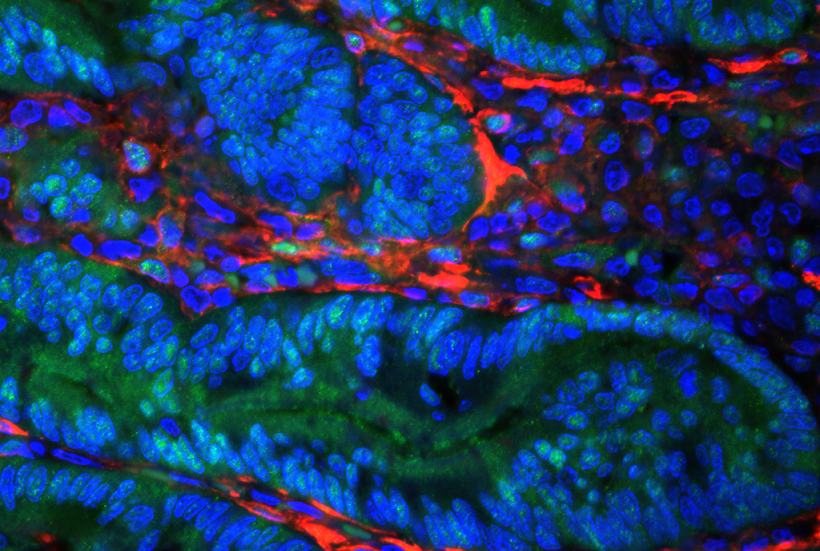
Molecular changes in cells called fibroblasts, which help provide support for tissues throughout the body, may explain why one type of colon cancer doesn’t respond to therapy.
Dr. Sallie Permar, the newly appointed chair of the Department of Pediatrics at Weill Cornell Medicine and pediatrician-in-chief at NewYork-Presbyterian/Weill Cornell Medical Center and NewYork-Presbyterian Komansky Children’s Hospital, received the 2020 Oswald Avery Award for Early Achievement from the Infectious Diseases Society of America.
Weill Cornell Medicine neuroscientist Dr. Li Gan is driving toward one of the most coveted medical breakthroughs: an effective treatment for Alzheimer’s disease.
Researchers at Weill Cornell Medicine have developed and used an advanced imaging technique to reveal the dynamics of two proteins required for many critical cellular functions, including cell division and neurotransmitter regulation. The findings could inform the development of future treatments for conditions in which these proteins are dysfunctional.
Dr. Iliyan Iliev, an associate professor of immunology in medicine in the Division of Gastroenterology and Hepatology and a scientist in the Jill Roberts Institute for Research in Inflammatory Bowel Disease at Weill Cornell Medicine, has been awarded the Investigators in the Pathogenesis of Infectious Disease (PATH) award by the Burroughs Wellcome Fund.
Dr. Virginia Pascual has been awarded a grant supplement from the National Institute of Allergy and Infectious Diseases (NIAID) to lead a multi-institutional effort studying differences in immune responses in children infected with SARS-CoV-2.
Five Weill Cornell Medicine investigators have received funding from the Chan Zuckerberg Initiative (CZI) for their research in inflammation and neurodegenerative disorders.
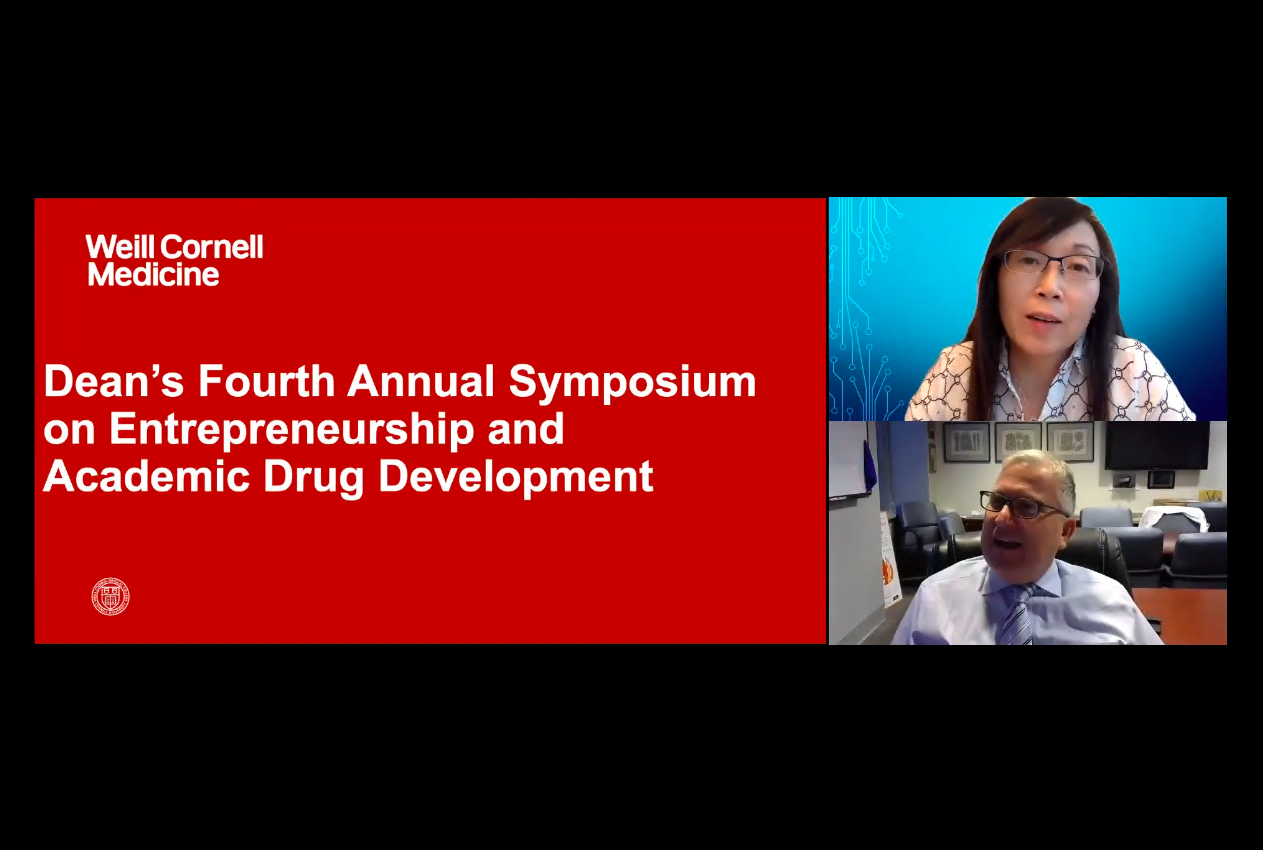
Cornell’s network of business incubators and accelerators have developed into a growing and robust entrepreneurial engine nurtured with resources, training and mentorship that help faculty, research staff and graduate students launch marketable ideas and technologies.
Dr. Shahin Rafii, director of the Ansary Stem Cell Institute and chief of the Division of Regenerative Medicine at Weill Cornell Medicine, has received an Outstanding Investigator Award (R35) from the National Heart, Lung, and Blood Institute (NHLBI) of the National Institutes of Health (NIH), for an ambitious project to accelerate regenerative medicine technology.