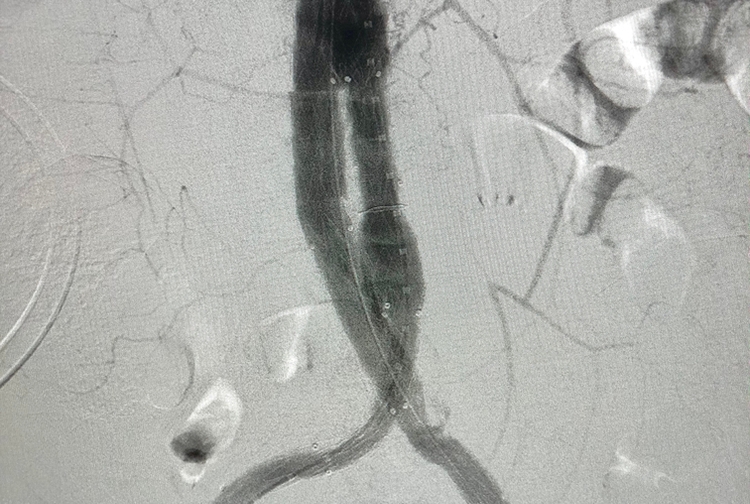
By linking a national vascular registry with medical data records in Medicare claims for patients who underwent endovascular abdominal aortic aneurysm repair, researchers were able to identify which devices posed the most risk for reintervention.
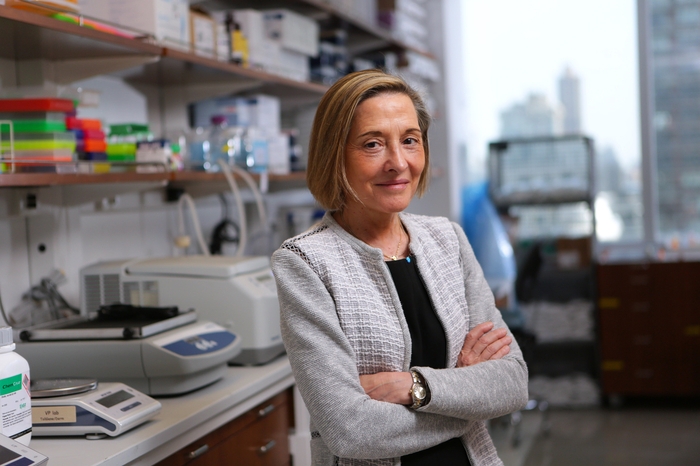
A multi-institutional team of scientists, led by researchers at Weill Cornell Medicine’s Gale and Ira Drukier Institute for Children's Health,have received a five-year $8.297 grant to continue funding a Center for Lupus Research.
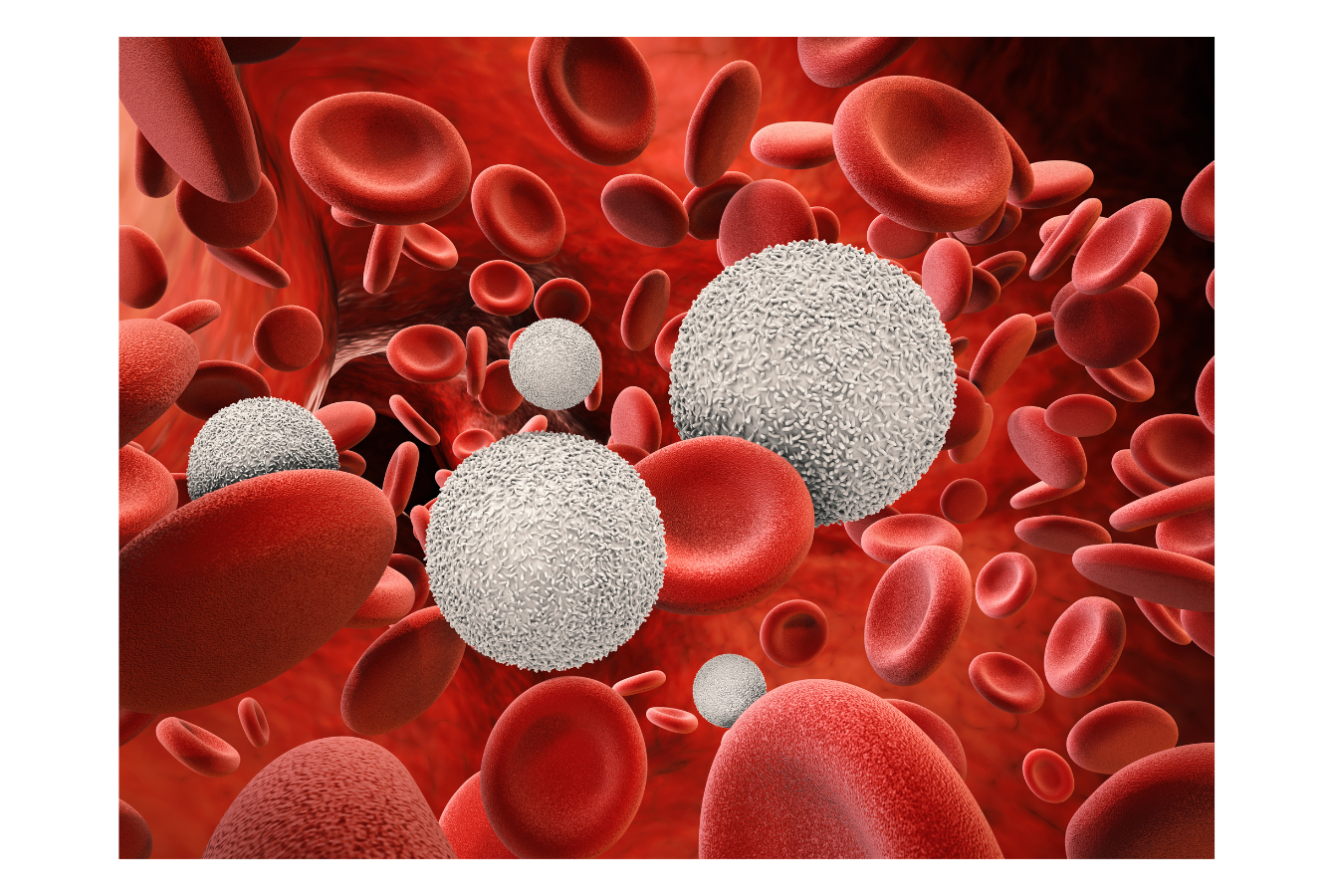
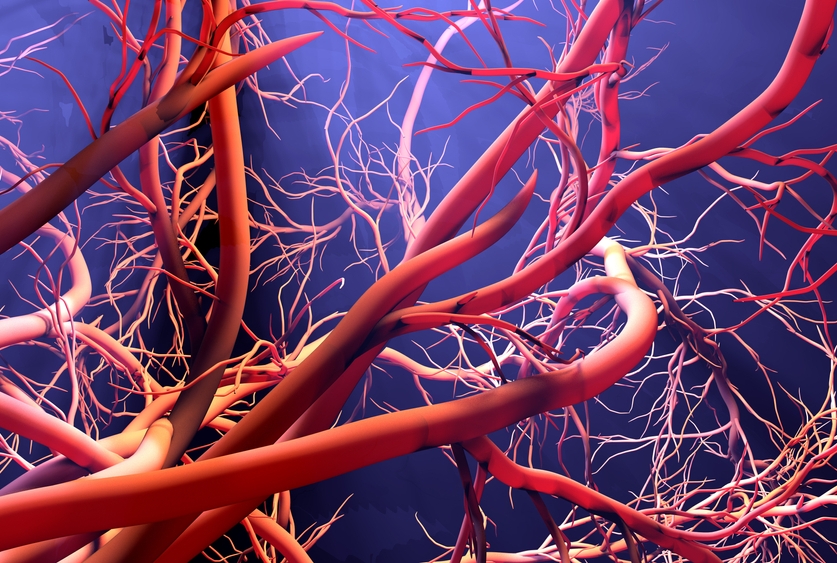
Endothelial cells—the cells that line blood vessels—grown alongside leukemia cells become corrupted and rescue the cancer cells from many chemotherapy drugs, a study by Weill Cornell Medicine investigators found.
Weill Cornell Medicine has been awarded the Health Professions Higher Education Excellence in Diversity (HEED) Award by INSIGHT Into Diversity magazine for the fifth year in a row, recognizing the institution’s exceptional commitment to diversity and inclusion.
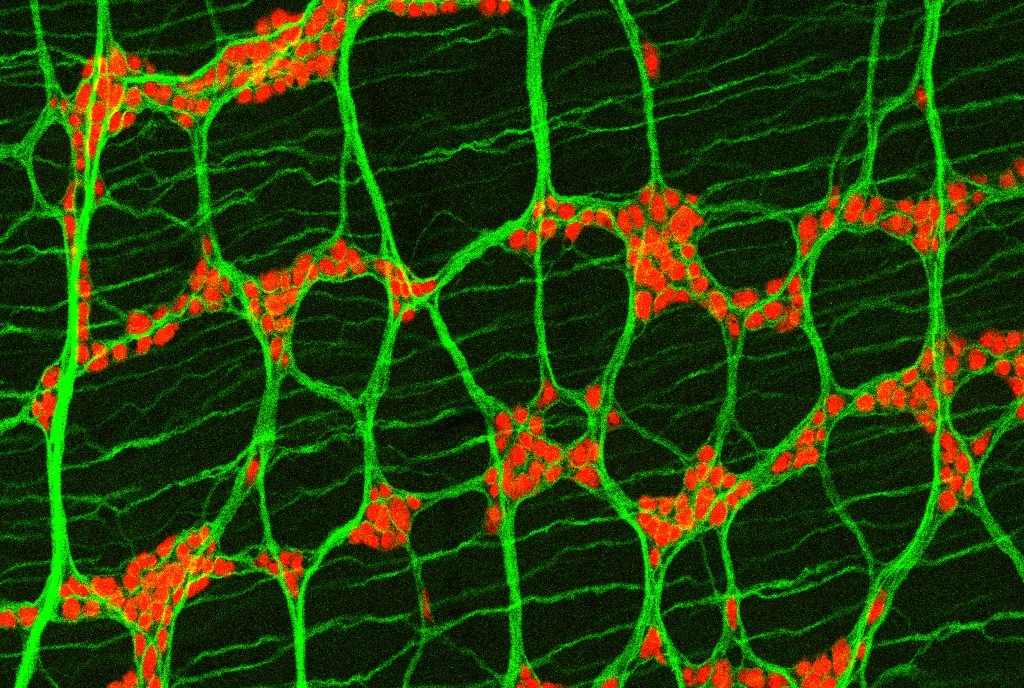
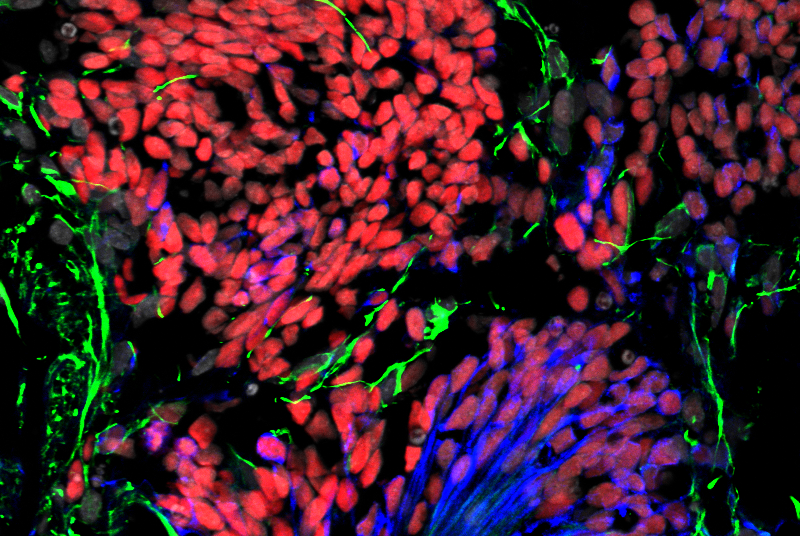
Neurons that sense pain protect the gut from inflammation and associated tissue damage by regulating the microbial community living in the intestines, according to a study from researchers at Weill Cornell Medicine.
Dr. Benjamin Kleaveland, an assistant professor of pathology and laboratory medicine at Weill Cornell Medicine, has been awarded a five-year, $2.1 million grant from the National Institute of General Medical Sciences (NIGMS) of the National Institutes of Health to investigate how cells regulate noncoding RNAs, molecules that are thought to have major roles in health and disease.
More than 70 faculty from Weill Cornell Medicine, Cornell Engineering and Cornell Tech assembled Oct. 1 in Ithaca — and more joined remotely — to kick off the Cornell Engineering Innovations in Medicine initiative.
A mitochondrial gene plays a crucial role in genetic susceptibility to Zika, Dengue, and SARS-CoV-2 infections, a study by Weill Cornell Medicine investigators showed.
A cellular process known as autophagy that helps rid cells of debris may be impaired in pregnant women who go on to develop post-partum depression (PPD), according to new research from Weill Cornell Medicine, Johns Hopkins University School of Medicine and UVA Health investigators.
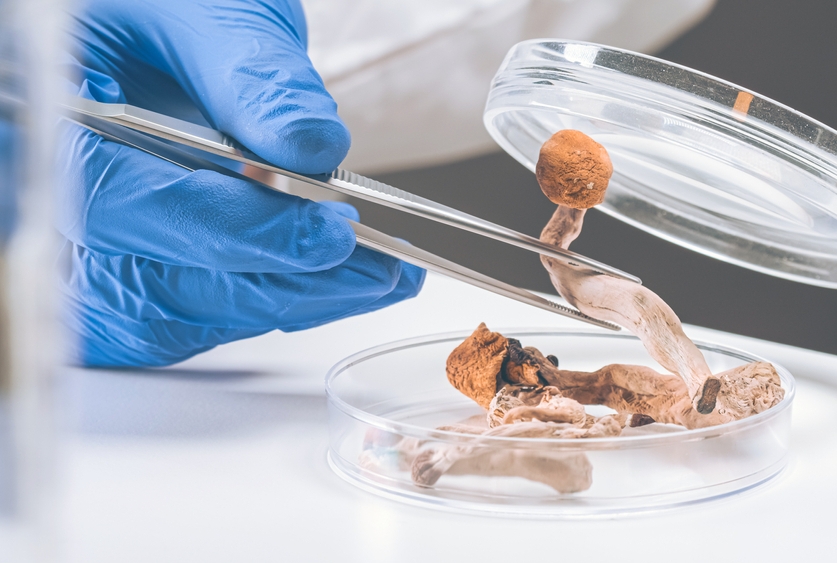
The psychedelic drugs LSD and psilocybin activate serotonin receptors on brain cells in a way that reduces the energy needed for the brain to switch between different activity states, according to a study led by Weill Cornell Medicine researchers.
Weill Cornell Medicine and Cornell Engineering are launching Engineering Innovations in Medicine, an initiative that will form unconventional partnerships that transcend academic disciplines to find solutions for such diseases as Alzheimer’s, cancer and diabetes.
For the fifth consecutive year, the accountable care organization of NewYork-Presbyterian, Columbia University Irving Medical Center and Weill Cornell Medicine, has earned shared savings in the Centers for Medicare & Medicaid Services Medicare Shared Savings Program.
The presence of some fungal species in tumors predicts—and may even help drive—worse cancer outcomes, according to a study from Weill Cornell Medicine and Duke University researchers.
A new screening tool for electronic medical records accurately identifies patients who are at high risk of having or developing progressive scarring of the lungs, a condition called idiopathic pulmonary fibrosis, according to investigators from Weill Cornell Medicine, NewYork-Presbyterian, the University of Chicago, Brigham and Women’s Hospital and Mayo Clinic.

An advanced software tool for analyzing DNA sequences from tumor samples has uncovered likely new cancer-driving genes, in a study led by Weill Cornell Medicine researchers.
A common, spontaneous mutation in blood stem cells, which has been linked to higher risks of blood cancer and cardiovascular disease, may promote these diseases by altering the stem cells’ programming of gene activity and the mix of blood cells they produce.