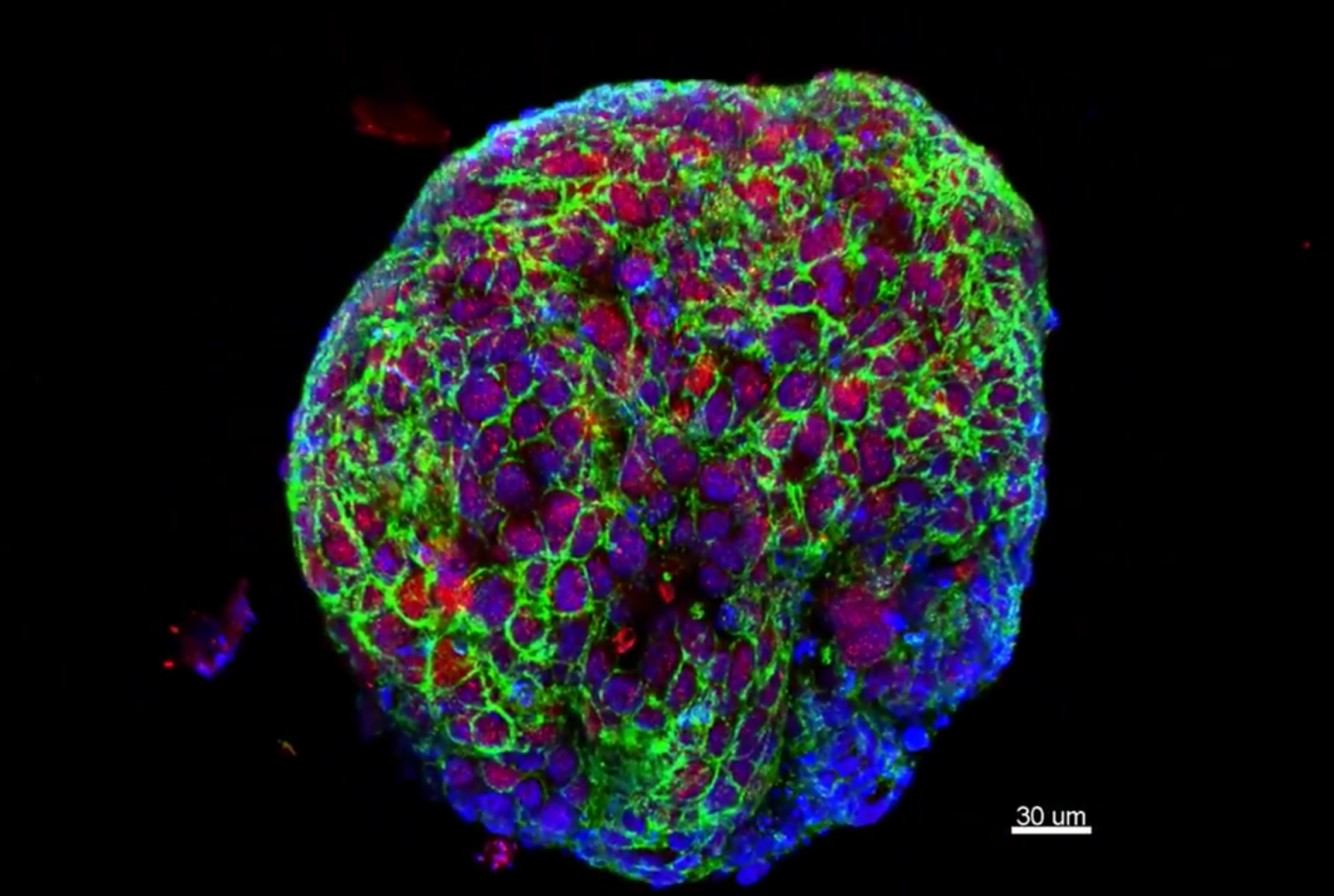
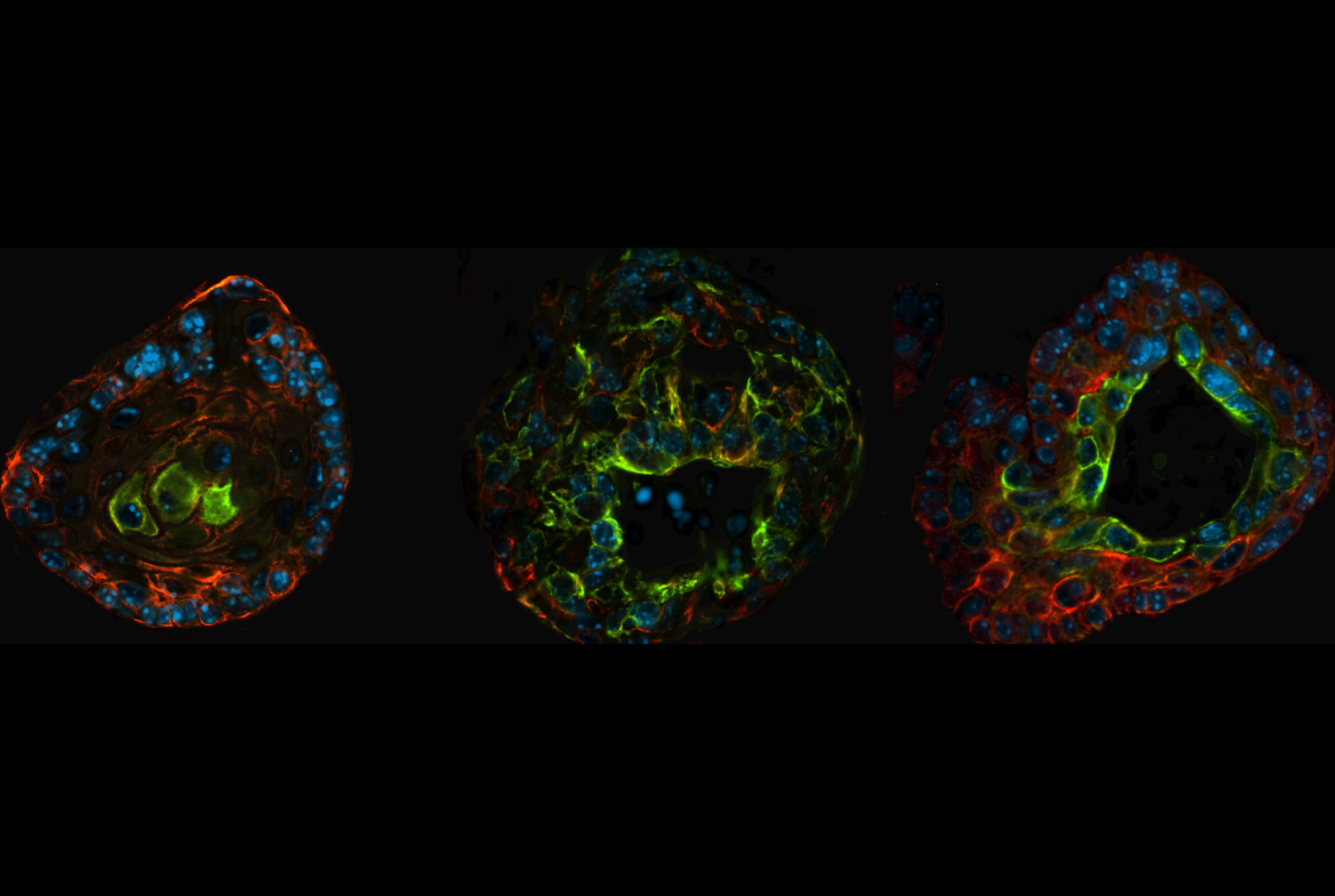
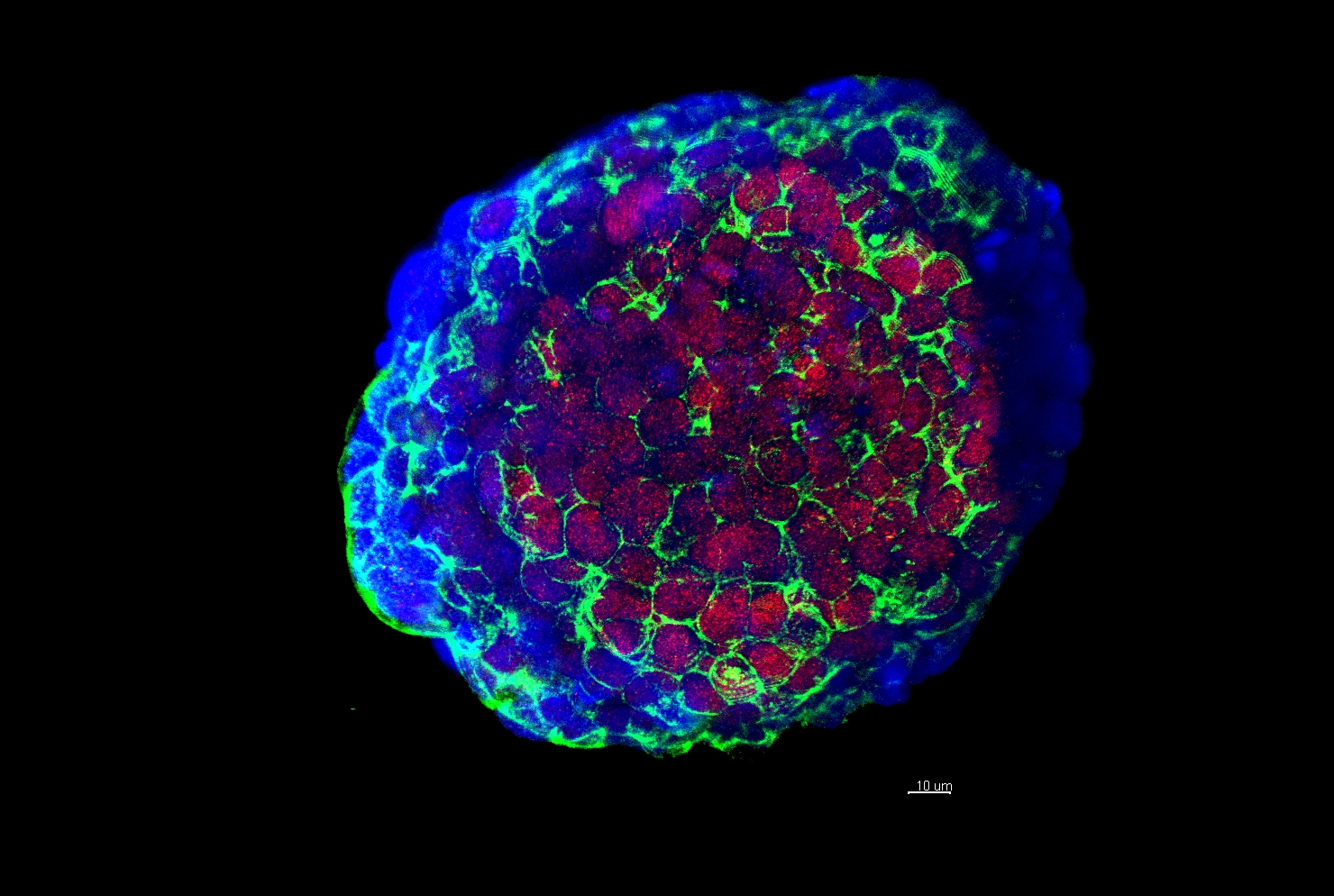
Combining genetic information from a patient’s tumor cells with three-dimensional cell cultures grown from these tumors and rapidly screening approved drugs can identify the best treatment approaches in patients for whom multiple therapies have failed.
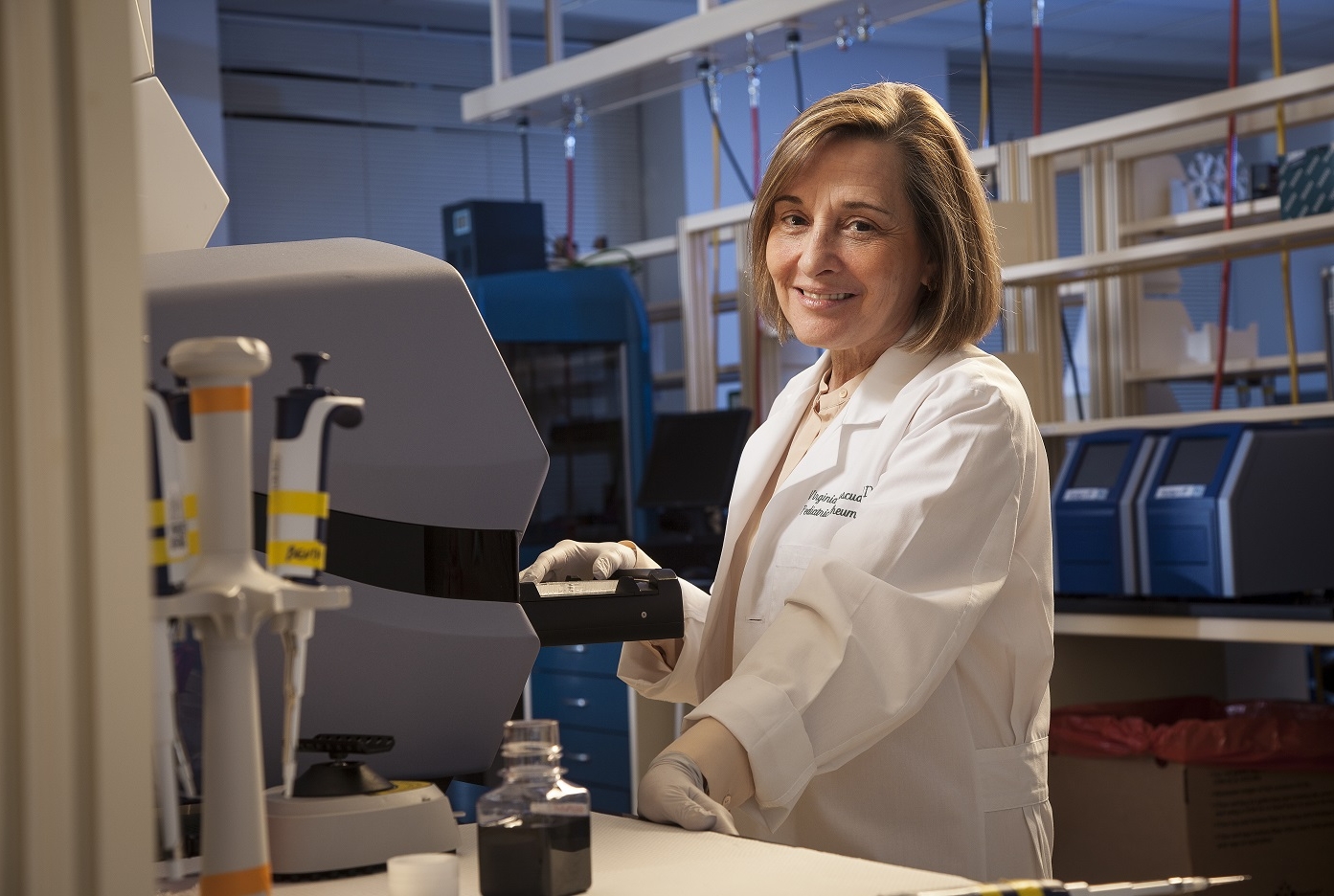
Dr. Virginia Pascual, a renowned physician-scientist specializing in pediatric rheumatology, has been appointed the founding Gale and Ira Drukier Director of the Gale and Ira Drukier Institute for Children’s Health.
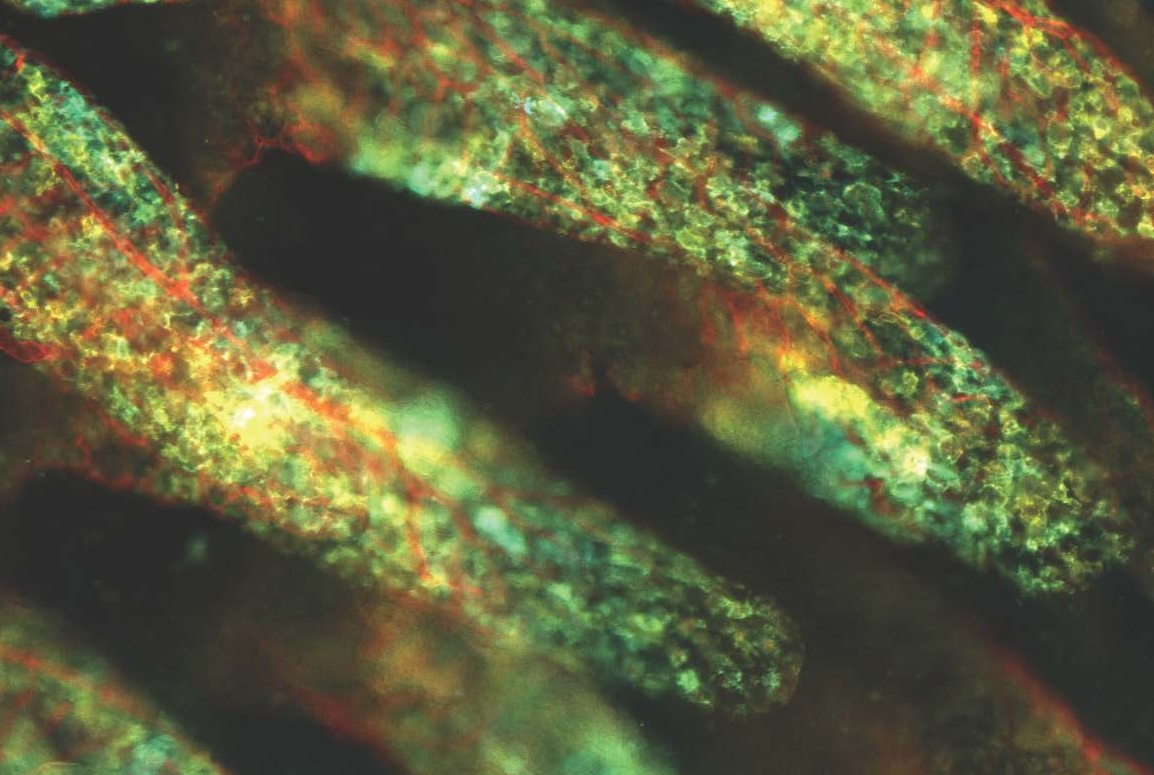
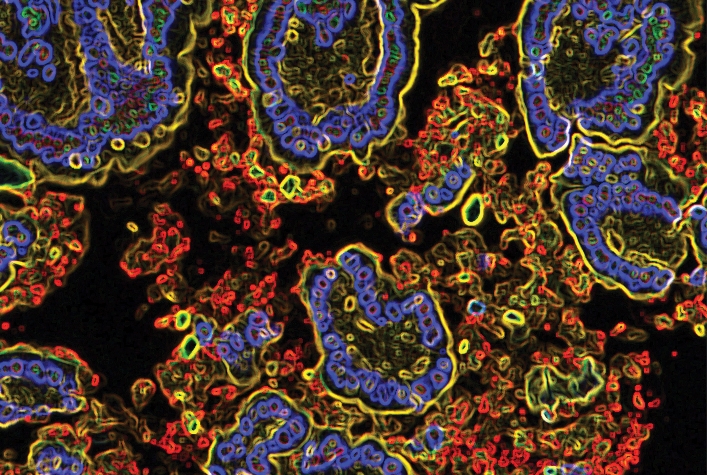
The natural lifecycle of cells that line the intestine is critical to preserving stable conditions in the gut, according to new research led by a Weill Cornell Medicine investigator. The findings may lead to the development of new therapies to alleviate inflammatory bowel disease (IBD) and other chronic inflammatory illnesses.
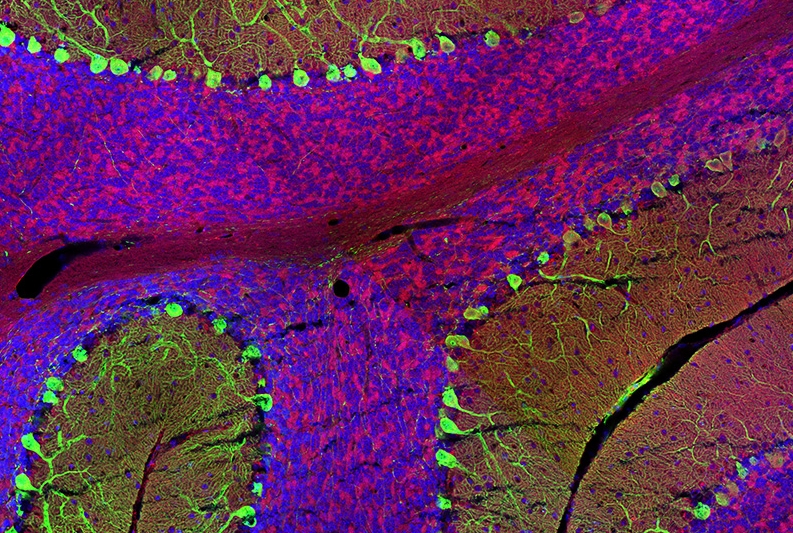
A newly discovered type of genetic mutation that occurs frequently in cancer cells may provide clues about the disease’s origins and offer new therapeutic targets.
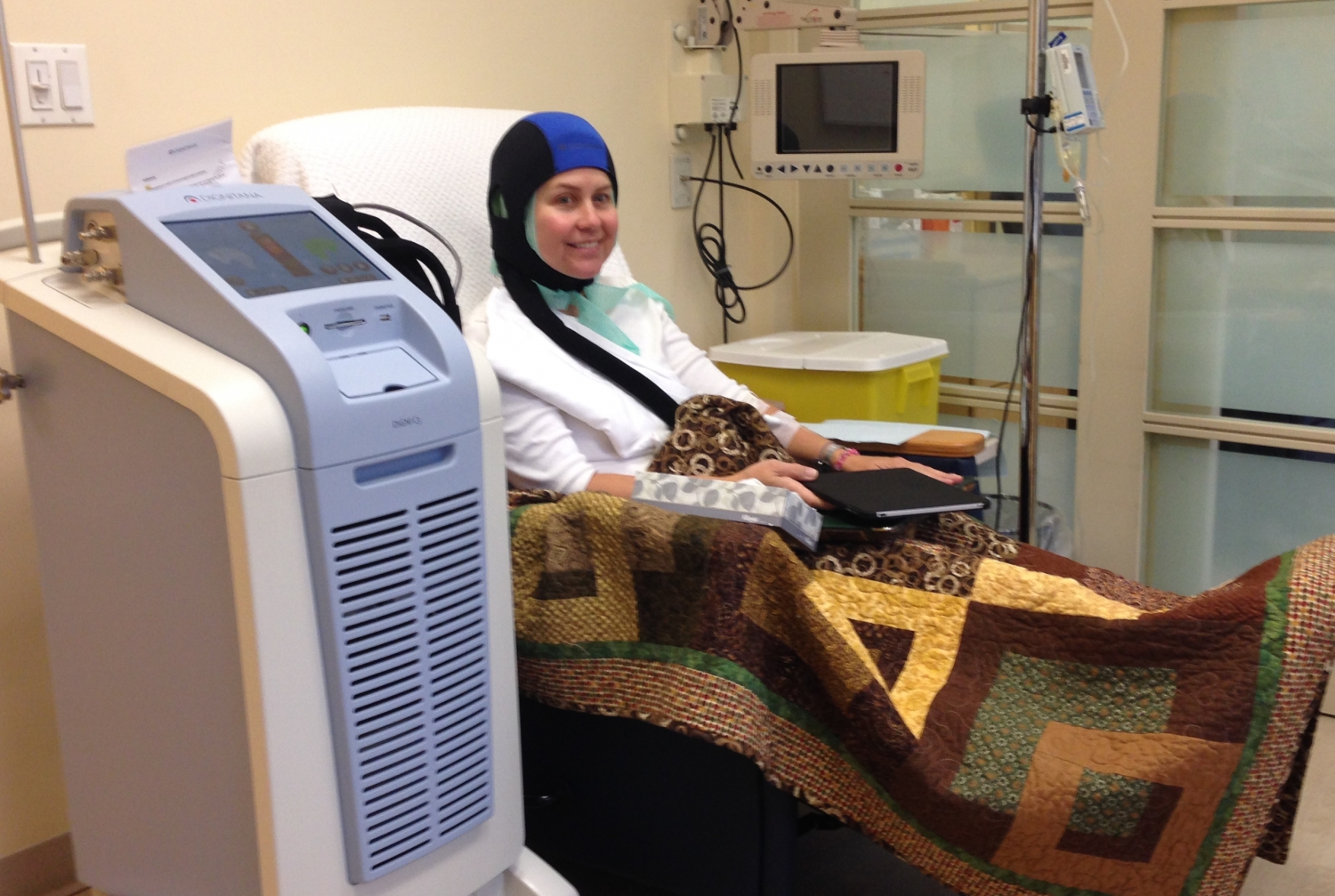
Scalp cooling can lessen some chemotherapy-induced hair loss – one of the most devastating hallmarks of cancer – in certain breast cancer patients, according to a new multicenter study from UC San Francisco, Weill Cornell Medicine and three other medical centers.
While diet, exercise and behavior modification are essential components of obesity management, a successful long-term weight loss strategy should also include avoiding or minimizing medication-related weight gain.
Two doctors – Dr. Lewis C. Cantley, M.S. ’73, Ph.D. ’75, and Dr. Kristy Richards ’90 – are growing radically collaborative research connections between Weill Cornell Medicine and the College of Veterinary Medicine, adding new discoveries to the university’s long history of research that benefits animals and people.