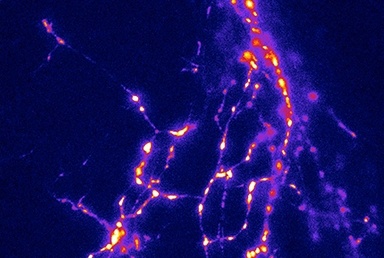
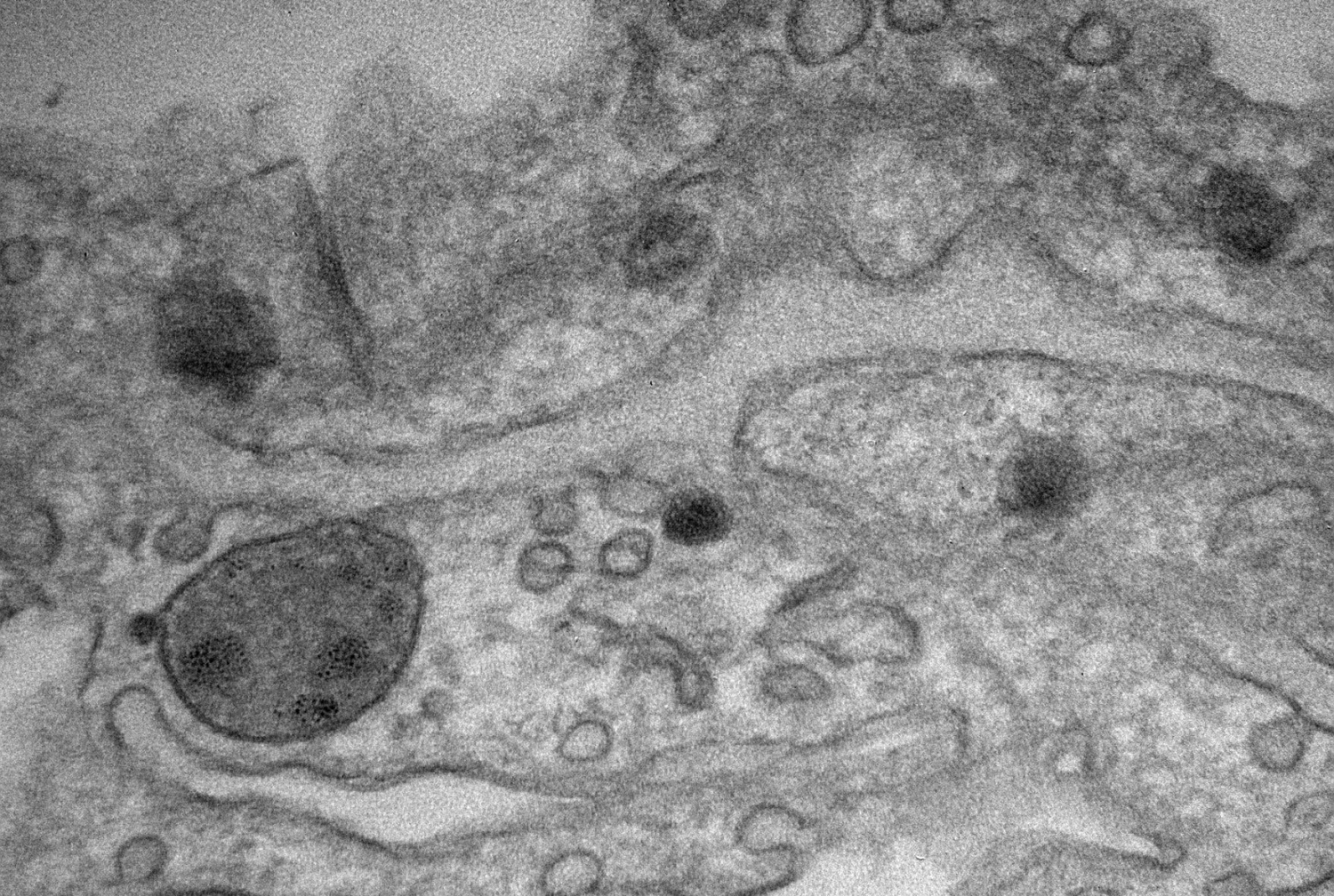
One of the most commonly used general anesthetics induces unconsciousness in part by reducing the amount of calcium ion that flows into nerve cells and triggers chemical communication between them.
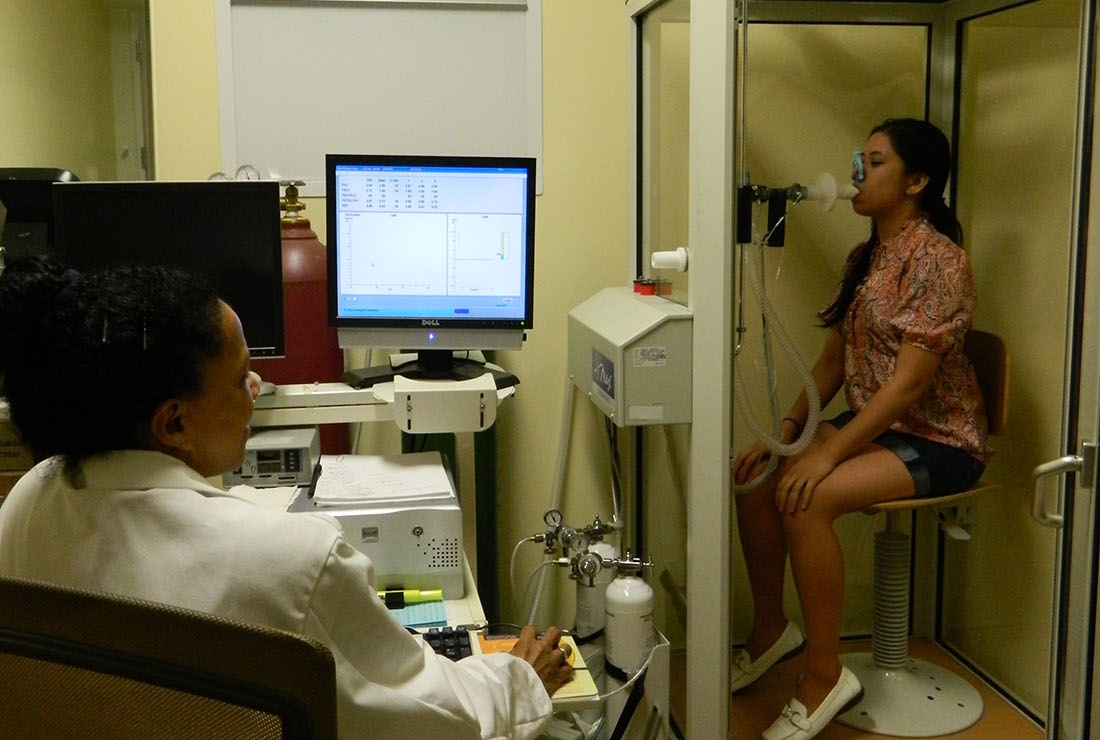
A non-invasive and quick lung function test frequently used to evaluate whether or not a smoker is at risk for developing pulmonary disease is likely mislabeling a significant percentage of smokers as healthy.
While a new study has found that increased physician spending in a hospital setting results in fewer malpractice claims, more research needs to be done before the medical community reacts.
A new therapeutic approach that targets an aggressive form of lymphoma may greatly increase the efficacy of treatment and result in better outcomes for patients.
NewYork-Presbyterian, with Weill Cornell Medicine, has officially opened the NewYork-Presbyterian/Lower Manhattan Cancer Center, a freestanding, state-of-the-art radiation oncology center located on 21 West Broadway in Manhattan.
Researchers have discovered protein signatures on the membranes of small, tumor-secreted packages containing the blueprint that drives cancers to distant organs.
Dr. Jyotishman Pathak has been named chief of the Division of Health Informatics in the Department of Healthcare Policy and Research at Weill Cornell Medicine.
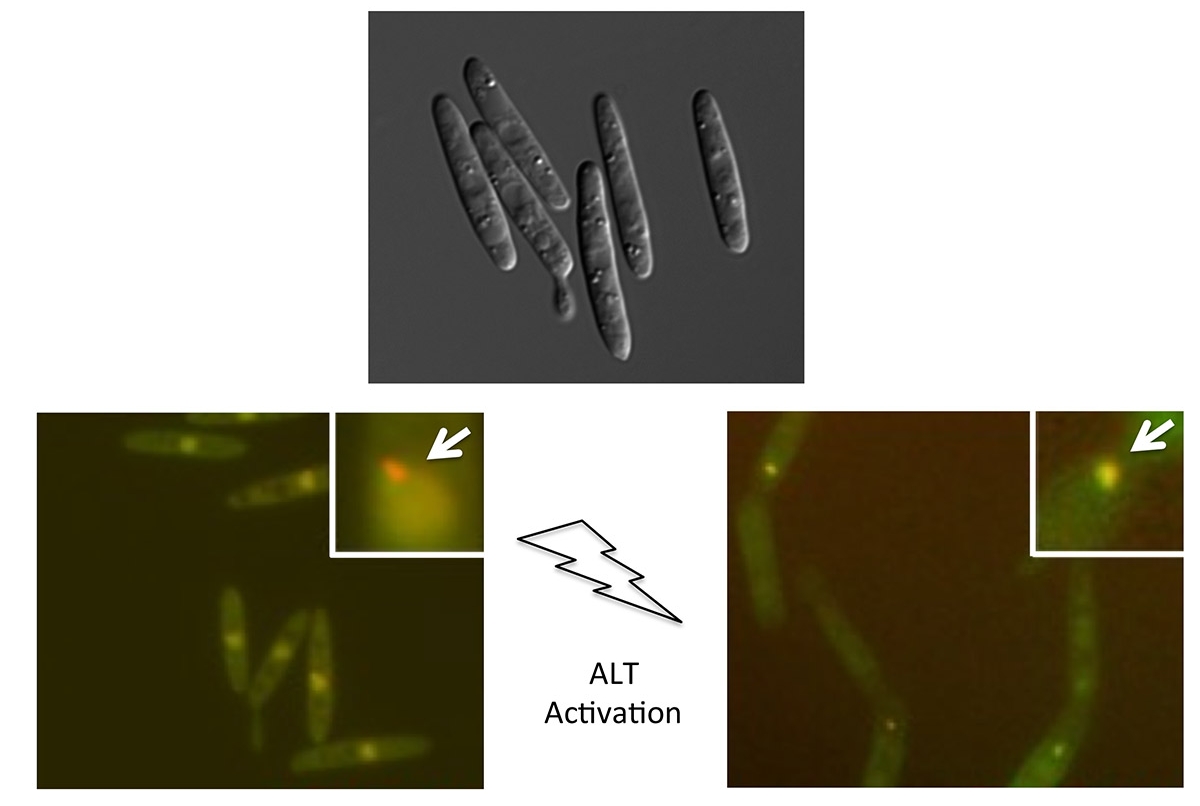
Researchers have developed a better understanding of a complex mechanism that contributes to the growth of telomeres, the repetitive sequences of DNA that protect the end of a cell's chromosomes.
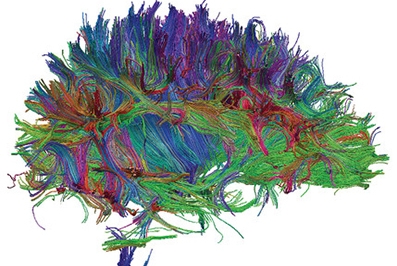
Terminology used to describe patients with severe brain injury who are unresponsive to the world around them is overly broad and overlooks a subgroup of patients who have consciousness that is imperceptible at the bedside.
The medical community needs a better understanding of people suffering from severe brain injuries, a Weill Cornell Medicine medical ethicist argues in his new book.