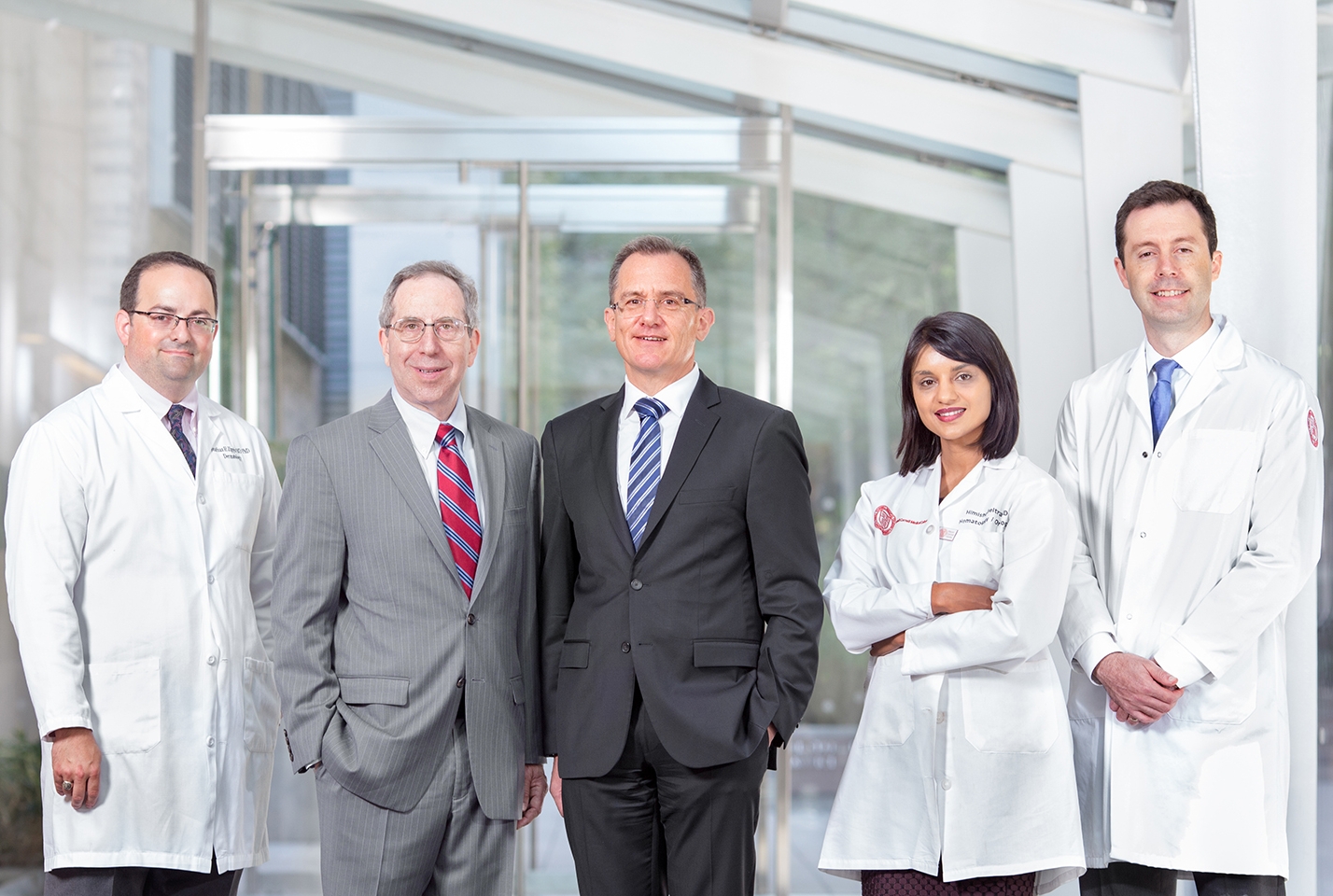
Meet the Weill Cornell alumni who lead the Clinical Center at the National Institutes of Health in Bethesda, Md., where a nurse with Ebola was treated.
After two decades of growth that has transformed Weill Cornell Medical College into a global healthcare leader, the institution reveals a new name -- Weill Cornell Medicine -- which more comprehensively captures the full scope of its mission.
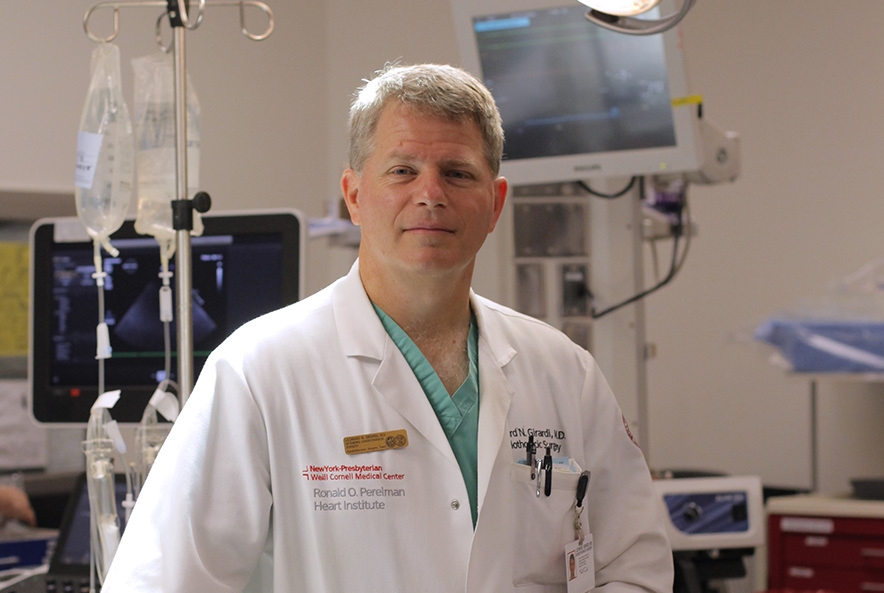
Dr. Leonard Girardi has been named chair of the Department of Cardiothoracic Surgery at Weill Cornell Medical College and cardiothoracic surgeon-in-chief at NewYork-Presbyterian/Weill Cornell Medical Center
A chemical reaction that affects the behavior of a gene crucial to the body's defense against pathogens mobilizes immune cells to effectively fight the invaders.
Elizabeth Garrett, the 13th president of Cornell University, heralded a future of greater collaboration at her Sept. 21 introduction to Weill Cornell Medical College.
Two leading organizations are currently funding Dr. Janey Peterson's research on interventions that can help older adults with multiple chronic illnesses become more physically active, thereby improving their health and overall well-being.
A genetic mutation implicated in a common and incurable form of non-Hodgkin lymphoma drives disease development by disrupting the mechanism that manages normal immune cell growth.
What do infectious disease and internal medicine have to do with competitive table tennis? Not a lot. And that's one reason why Dr. Matthew Simon loves the game.
Dr. Costantino Iadecola wins the 2015 Excellence Award for Hypertension Research and other awards, honors, prizes and achievements for the week of Sept. 11 - Sept. 18.
Dr. Monika Safford has been named chief of the Division of General Internal Medicine at Weill Cornell Medical College and NewYork-Presbyterian/Weill Cornell Medical Center.
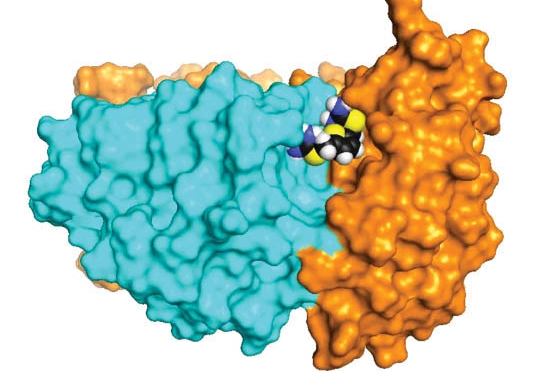
The performance of a complex known as retromer may be key to treating Alzheimer's and Parkinson's diseases, according to the research of Dr. Gregory Petsko.
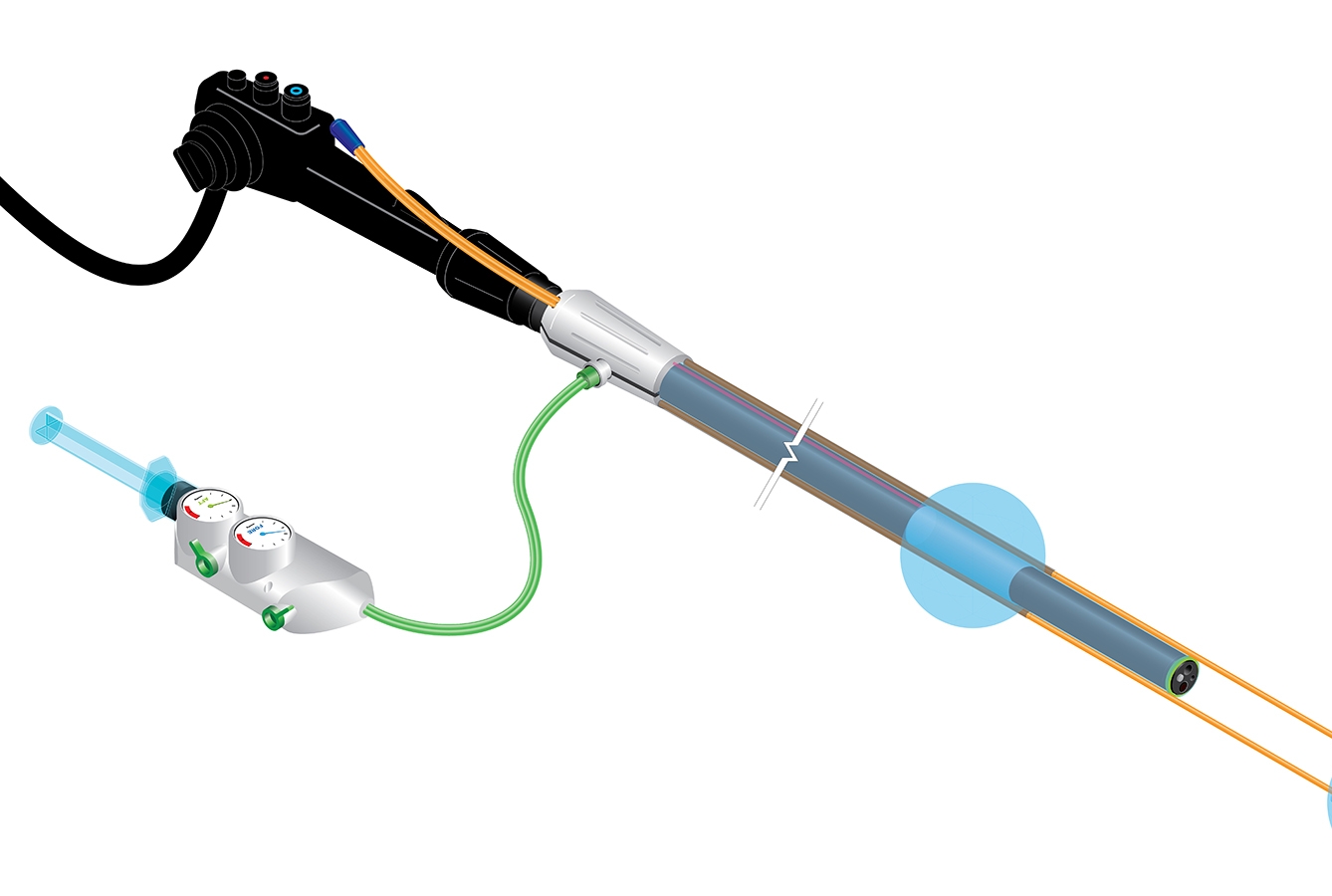
A new start-up company is dedicated to producing next-generation endoscopic tools that make complex gastrointestinal surgeries safer and less expensive while also improving patient outcomes.