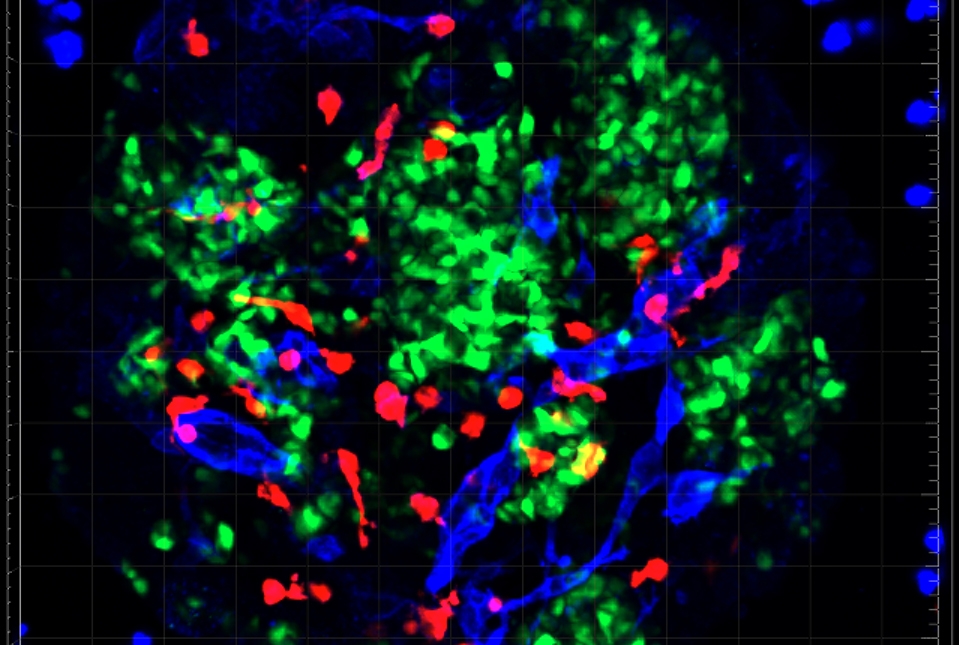
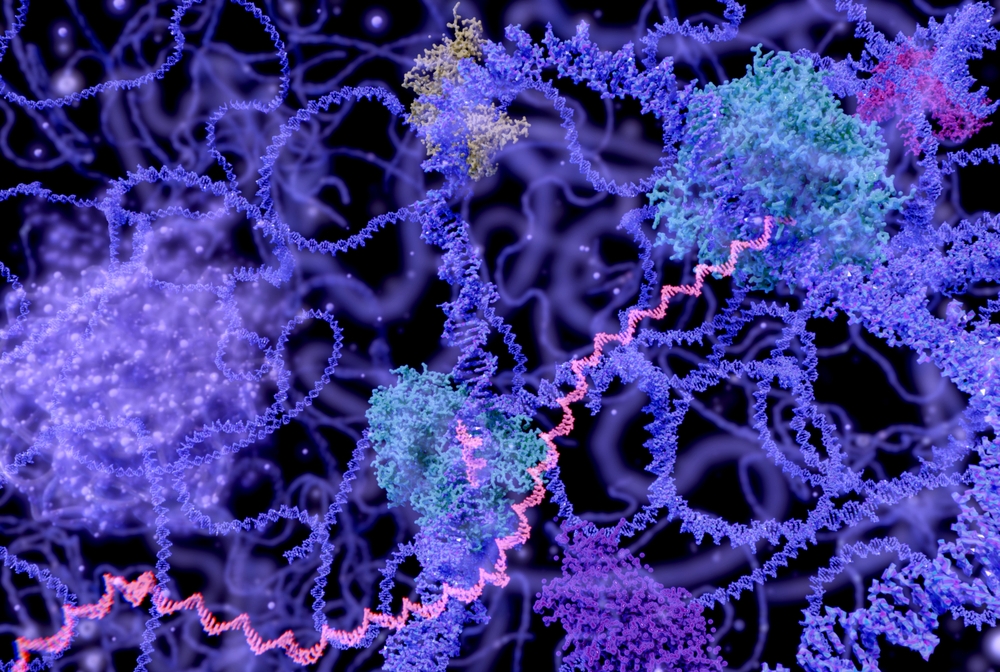
Before a cell commits fully to the process of dividing itself into two new cells, it may ensure the appropriateness of its commitment by staying for many hours—sometimes more than a day—in a reversible intermediate state, according to a discovery by researchers at Weill Cornell Medicine.
Weill Cornell Medicine received a $1.5 million grant from the U.S. Department of Defense Prostate Cancer Research Program to develop new approaches for predicting the spread of cancer to the bone in men with prostate cancer at early stages of the disease.
Dr. Hua "Judy" Zhong, an esteemed researcher and biostatistician, has been named chief of the Division of Biostatistics in the Department of Population Health Sciences at Weill Cornell Medicine, effective July 29.
An early-career academic scientist and budding entrepreneur, Dr. Cheuk Man Cherie Au has garnered awards and grants for her groundbreaking research in drug development, and the interest of potential investors. Dr. Au discusses her innovation journey navigating academia and entrepreneurship, which can serve as an inspiration to her peers and the wider Weill Cornell Medicine community.
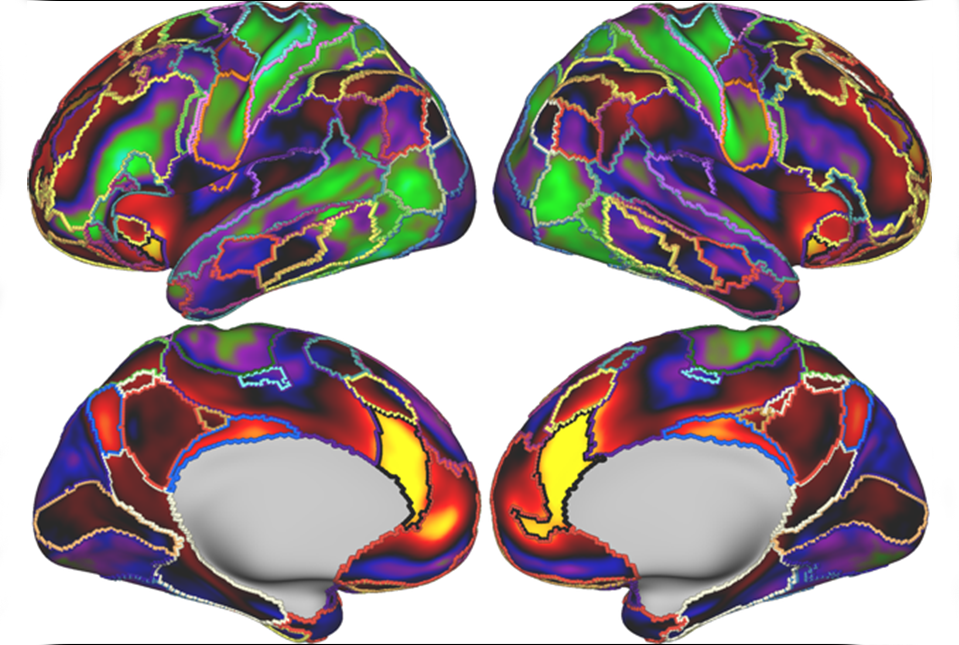
The transition to menopause is marked by a progressively higher density of estrogen receptors (ER) on brain cells, a measure that remains elevated in women up to their mid-60s, according to a new brain imaging study led by researchers at Weill Cornell Medicine.
The 2024 Business Plan Challenge accelerator program culminated in a pitch competition with five finalist teams putting their knowledge and marketing skills to the test.
Dr. Ashley Laughney, an assistant professor of physiology and biophysics at Weill Cornell Medicine, has won a 2024 Pershing Square Sohn Prize for Young Investigators in Cancer Research.
Dr. Mohammad Arifuzzaman, a postdoctoral associate at Weill Cornell Medicine, has been awarded a 2024 Tri-Institutional Breakout Award for Junior Investigators.
An artificial intelligence-powered method for detecting tumor DNA in blood has shown unprecedented sensitivity in predicting cancer recurrence, in a study led by researchers at Weill Cornell Medicine, NewYork-Presbyterian, the New York Genome Center and Memorial Sloan Kettering Cancer Center.
Interactions between two key structures within cells help establish the front-to-back “polarity” that is essential to cell migration, according to a new study by Weill Cornell Medicine researchers.
Scientists at Weill Cornell Medicine discovered a previously unknown link between two key pathways that regulate the immune system in mammals—a finding that impacts our understanding of chronic inflammatory bowel diseases (IBD).
Molecular and physiological changes in space travelers reveal new targets for aerospace medicine and can guide new missions, according to the results of a massive international research endeavor by investigators at Weill Cornell Medicine, SpaceX, and other organizations.
By teasing out the biological mechanisms underlying postpartum mental health disorders, investigators at Weill Cornell Medicine are laying the groundwork for new ways to detect and treat women at risk.
Home health aides (HHAs) are vulnerable to stress, isolation and depressive symptoms, which impact their own health as well as their patients’ desire to age in place, according to Weill Cornell Medicine researchers.
Researchers find that including BRCA1 testing at the time of obstetrical prenatal carrier screening may be a cost-effective way to identify those at risk of certain cancers.
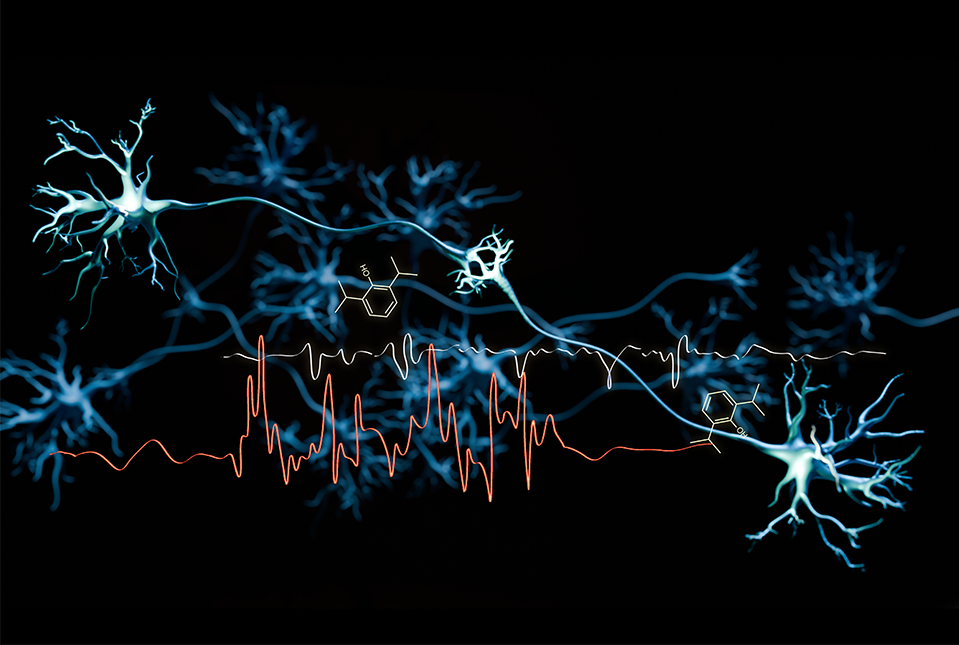
Weill Cornell Medicine scientists have uncovered the first evidence that astrocyte receptors can trigger opposite effects on cognitive function in male and female preclinical models.
Research led by Weill Cornell Medicine provides new evidence that most colorectal cancers begin with the loss of intestinal stem cells, even before cancer-causing genetic alterations appear.
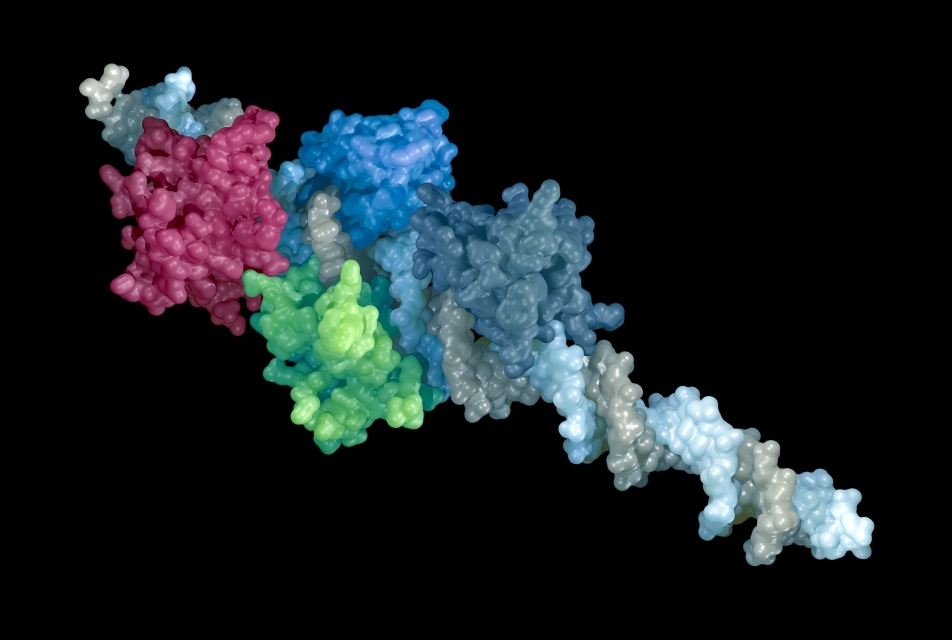
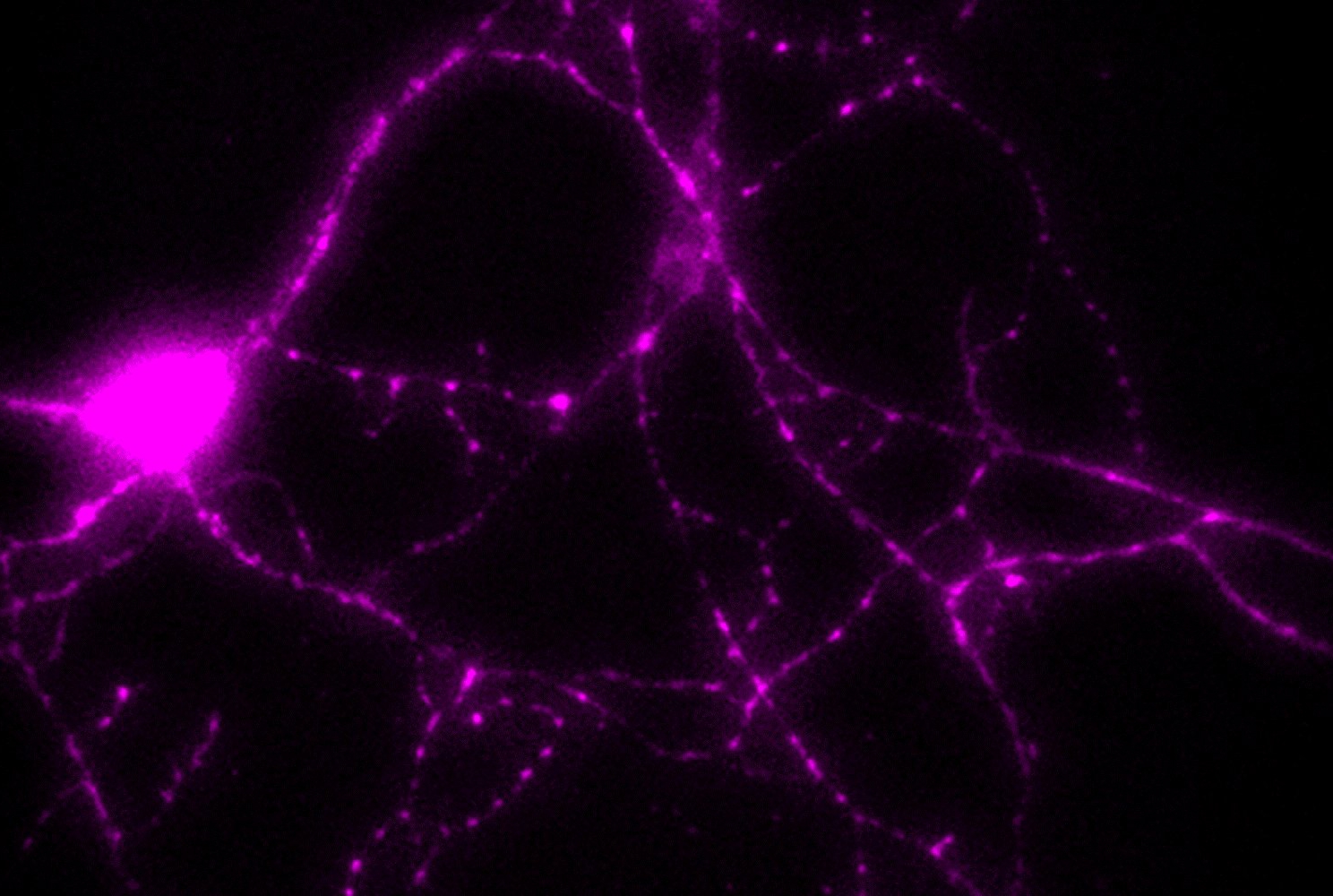
A team led by researchers at Weill Cornell Medicine and the Howard Hughes Medical Institute (HHMI) Janelia Research Campus has developed and tested a high-resolution sensor for tracking the real-time dynamics of ATP levels in cells and within subcellular compartments.