Using an innovative method for measuring doctor turnover, Weill Cornell Medicine researchers determined that between 2010 and 2018, the annual rate at which physicians left their practices increased by 43 percent, from 5.3 percent to 7.6 percent a year.
Some women may excessively breastfeed and pump as a method of weight control, according to a new paper by investigators at Weill Cornell Medicine and Yale School of Medicine.
State laws allowing medical cannabis use did not reduce prescriptions for opioids or other therapies for chronic, non-cancer pain, according to a policy analysis by Weill Cornell Medicine investigators.
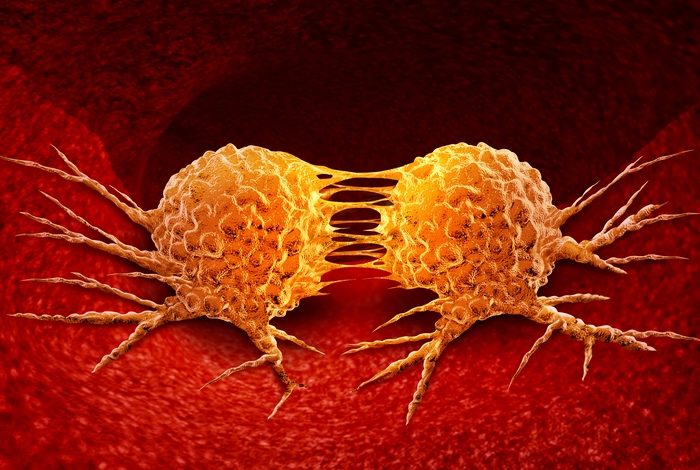
An atlas that catalogues gene activity and the levels of small molecules called metabolites in tumor samples offers a new way of identifying the deep mechanisms of cancer, according to researchers at Weill Cornell Medicine and Memorial Sloan Kettering Cancer Center.
Sara Mathew, associate director of research and operations administration in the Department of Surgery at Weill Cornell Medicine, has been selected as one of Crain’s Notable Leaders in Health Care.
The $9.8 million, five-year grant awarded to Weill Cornell Medicine and Columbia University will help combat cancer disparities fueled by persistent poverty.
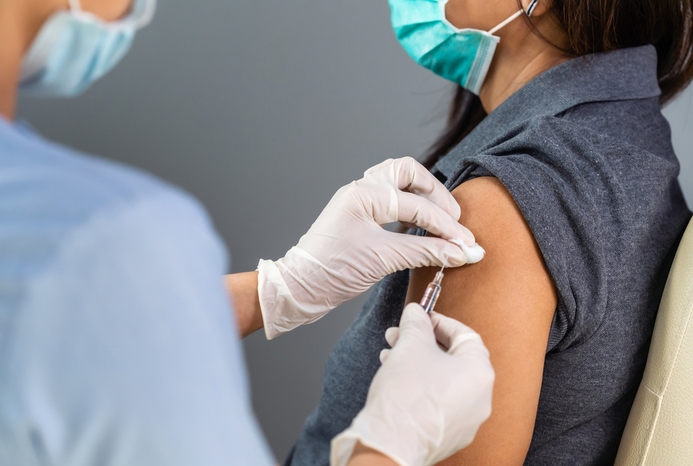
A model for optimizing the dispensing of vaccines during pandemics that uses a new measure of success for such efforts has been developed by researchers at Weill Cornell Medicine, the Ithaca campus of Cornell University, Singapore University of Technology and Design and San Jose State University in California.
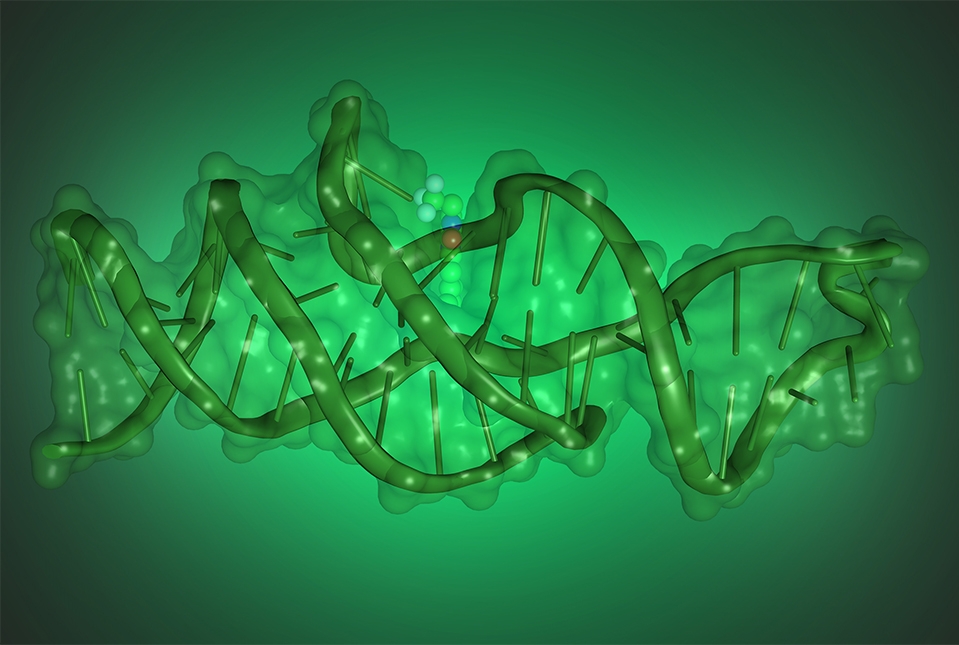
DNA can mimic protein functions by folding into elaborate, three-dimensional structures, according to a study from researchers at Weill Cornell Medicine and the National Heart, Lung, and Blood Institute, part of the National Institutes of Health.
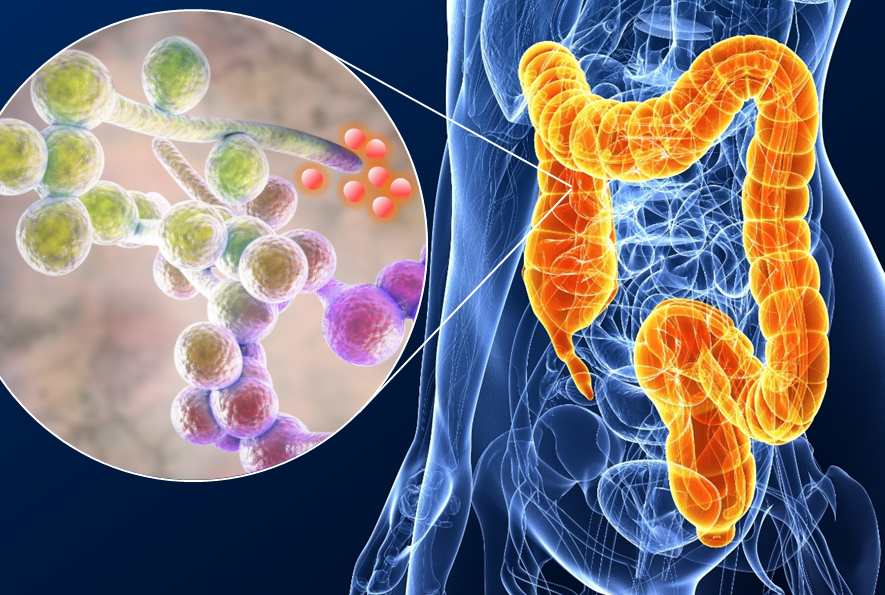
Dr. Iliyan D. Iliev, an associate professor of immunology in medicine in the Division of Gastroenterology and Hepatology, co-director of the Microbiome Core and a member of the Jill Roberts Institute for Research in Inflammatory Bowel Disease (IBD) at Weill Cornell Medicine, is the lead investigator on a grant to Weill Cornell Medicine from The Leona M. and Harry B. Helmsley Charitable Trust to target pathogenic fungi in patients with Crohn’s disease.
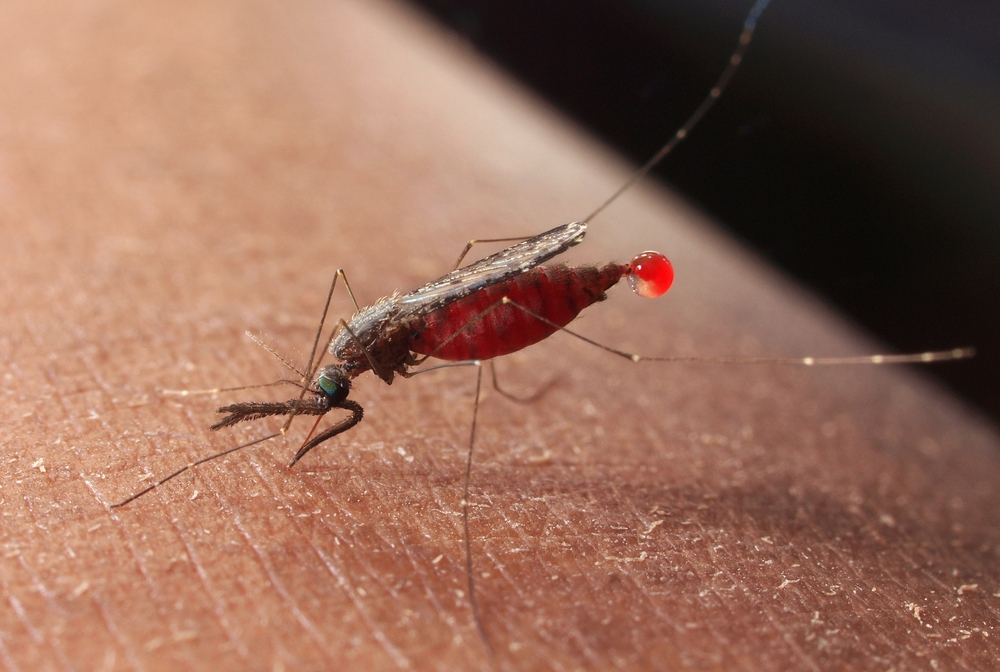
A key developmental step in the lifecycle of the most virulent species of malaria parasite, Plasmodium falciparum, depends in part on a series of molecular signals that are detailed in a new study led by researchers at Weill Cornell Medicine.
Dr. Jonathan Weinsaft, an esteemed physician-scientist who focuses on clinical research and cardiovascular imaging, has been appointed chief of the Greenberg Division of Cardiology at Weill Cornell Medicine and NewYork-Presbyterian/Weill Cornell Medical Center, effective July 1.
Hospitals participating in the 340B Drug Pricing Program, a large federal safety-net program, are financially incentivized to prescribe original biologic drugs to prevent and treat diseases in lieu of cheaper generic-like alternatives called biosimilar medications, according to a new study by Weill Cornell Medicine, NYU Grossman School of Medicine and University of Miami investigators.
Dr. Shawon Debnath, a research associate in pathology and laboratory medicine at Weill Cornell Medicine, has been honored with a 2023 Tri-Institutional Breakout Award for Junior Investigators
Recent uncertainties regarding the legal status of the Deferred Action for Childhood Arrivals (DACA) program underscore the urgency for policymakers to reassess long-standing restrictions on government-sponsored healthcare subsidies for all immigrants.
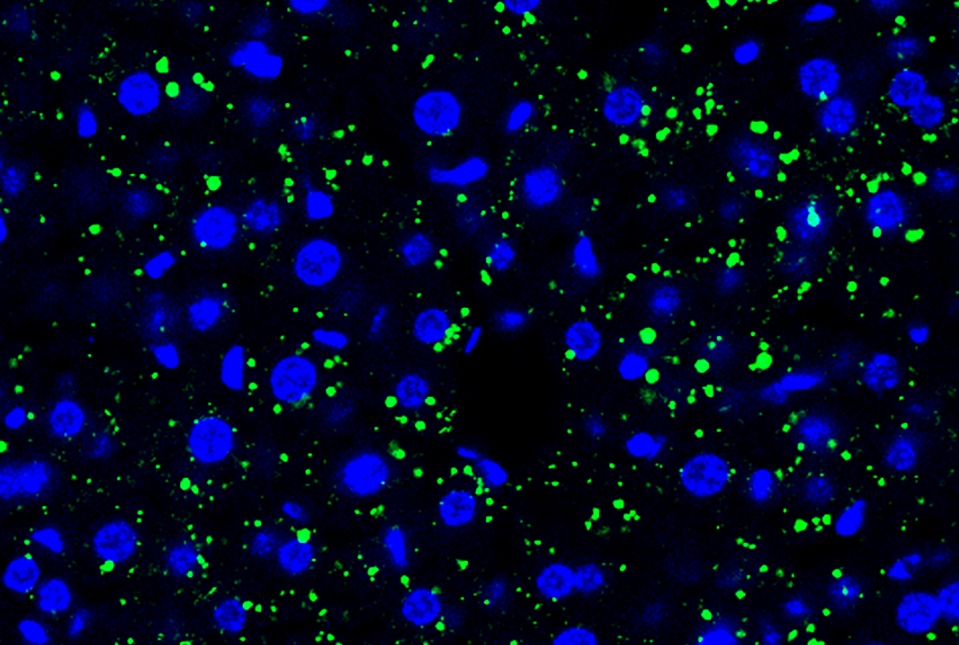
Cancers often release molecules into the bloodstream that pathologically alter the liver, shifting it to an inflammatory state, causing fat buildup and impairing its normal detoxifying functions.
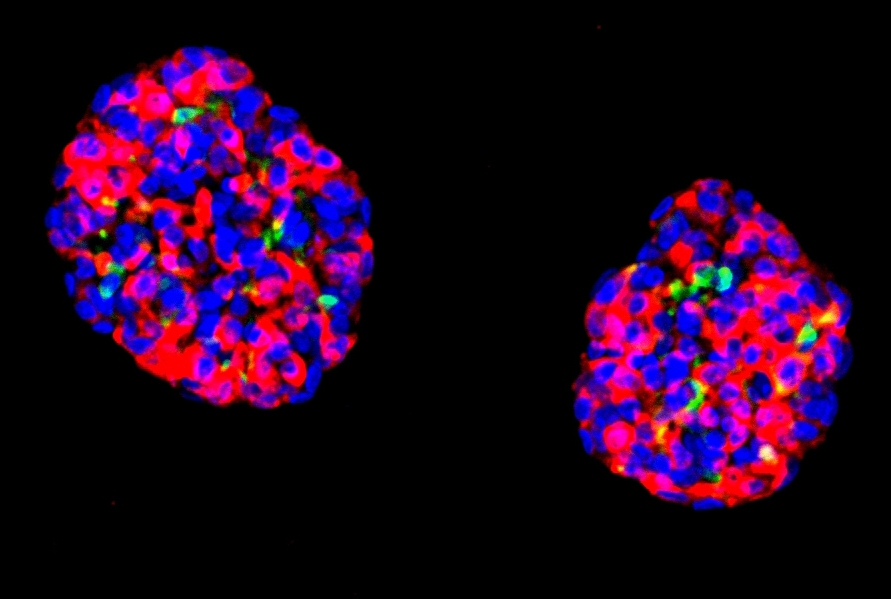
Stem cells from the human stomach can be converted into cells that secrete insulin in response to rising blood sugar levels, offering a promising approach to treating diabetes.
Weill Cornell Medicine has been awarded a five-year, $11.6 million grant from the National Institute on Drug Abuse (NIDA) of the National Institutes of Health to study the effects cannabis, including marijuana and compounds derived from it, may have on the brains of those living with HIV.
More than 350 expected graduates – 104 medical doctors, 86 with doctorates and 190 with Master of Science degrees – in the Class of 2023 received their degrees from Weill Cornell Medicine during the institution’s annual commencement ceremony at Carnegie Hall on May 18.